

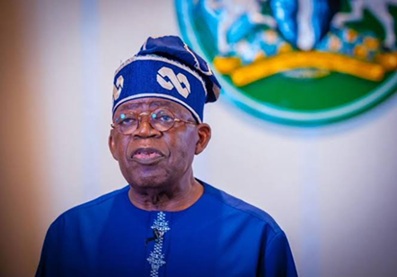
President Bola Ahmed Tinubu has declared that Nigeria has emerged from its most difficult economic period, expressing confidence that the country is now on the path toward a more stable and resilient economy.
Speaking on the administration’s economic reforms, the President said the nation had passed through what he described as its “darkest tunnel,” arguing that the sacrifices made by Nigerians and the government’s policy decisions are beginning to lay the foundation for long-term economic recovery.
According to Tinubu, recent reforms were necessary to address structural weaknesses that had accumulated over several years, including fiscal imbalances, distortions in the foreign exchange market and unsustainable public spending.
The President maintained that the government’s economic policies are beginning to yield positive results, pointing to what he described as improving macroeconomic stability, renewed investor confidence and ongoing efforts to strengthen public finances.
Tinubu reiterated that his administration remains committed to building an economy capable of creating jobs, attracting investment, supporting local production and improving the living standards of Nigerians.
He acknowledged that the reforms have imposed significant hardships on many citizens but argued that the difficult decisions were essential to prevent deeper economic challenges in the future.
The President assured Nigerians that the government would continue implementing programmes aimed at cushioning the effects of economic reforms, including initiatives focused on social protection, infrastructure development, agriculture and youth employment.
Since assuming office, the Tinubu administration has introduced major economic measures, including the removal of fuel subsidies, the liberalisation of the foreign exchange market and reforms aimed at improving revenue generation and fiscal discipline.
While the government argues that these policies are positioning the economy for sustainable growth, critics contend that they have contributed to rising inflation, higher transportation costs, increased food prices and reduced purchasing power for many households.
Economic analysts note that structural reforms often require time before their full benefits become evident. They emphasise that long-term success will depend on consistent policy implementation, improved productivity, stronger institutions and targeted support for vulnerable populations.
Business leaders have also called for complementary measures to ease the operating environment, reduce energy costs, improve access to credit and strengthen infrastructure to enable businesses to benefit from the reforms.
Observers believe the administration’s economic performance will remain a major subject of public debate as Nigeria moves closer to the 2027 general elections, with supporters highlighting signs of recovery and critics focusing on the continuing cost-of-living challenges.
The President reaffirmed his commitment to pursuing policies that promote economic growth, fiscal responsibility and national development, expressing optimism that the country is steadily moving toward a more prosperous future.
As the government continues its reform agenda, many Nigerians will be watching closely to see whether the anticipated improvements translate into lower inflation, increased employment opportunities, greater investment and tangible improvements in everyday living conditions.


