

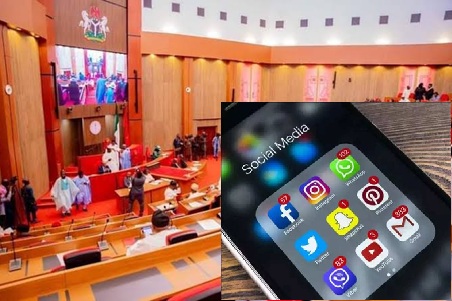
The Nigerian Senate has supported a bill seeking to compel major social media platforms and digital service providers, including Facebook, TikTok and other global technology companies, to establish physical offices within Nigeria.
The proposed legislation, which scaled another stage in the legislative process, is aimed at strengthening regulatory oversight, improving corporate accountability and enhancing the delivery of digital services to Nigerian users.
Lawmakers backing the bill argued that many of the world’s largest technology companies generate substantial revenue from Nigeria’s large digital market while maintaining no physical presence in the country.
They contended that establishing local offices would improve engagement with government agencies, facilitate compliance with Nigerian laws and create employment opportunities for citizens.
Supporters of the bill also said a local presence would make it easier for users, businesses and regulators to resolve complaints relating to content moderation, taxation, consumer protection, data privacy and other digital services.
In addition, lawmakers argued that the measure could strengthen Nigeria’s digital economy by encouraging greater investment, technology transfer and collaboration between global technology firms and local stakeholders.
The proposed law targets major international digital platforms that provide social media, online communication and related internet services to millions of Nigerian users.
Critics of the proposal, however, have cautioned that mandatory local office requirements should be carefully designed to avoid discouraging investment or creating unnecessary regulatory burdens that could affect innovation and digital entrepreneurship.
Technology policy experts have also stressed the importance of ensuring that any new regulatory framework aligns with international best practices while balancing consumer protection, business interests and digital rights.
Industry analysts note that several global technology companies already maintain regional offices in Africa, though many serve Nigeria remotely from other countries.
They argue that establishing dedicated offices in Nigeria could improve response times to regulatory issues, strengthen partnerships with local businesses and expand employment opportunities in areas such as engineering, marketing, customer support and public policy.
The bill will still undergo further legislative consideration before it can become law, including additional scrutiny by both chambers of the National Assembly and presidential assent if eventually passed.
Observers say the proposal reflects Nigeria’s growing efforts to strengthen the governance of its rapidly expanding digital economy while ensuring that multinational technology companies contribute more directly to the country’s economic development.
If enacted, the legislation could significantly reshape the relationship between Nigeria and global digital platforms, reinforcing the country’s position as one of Africa’s largest and most influential technology markets.
Stakeholders across the technology sector are expected to closely monitor the bill’s progress as discussions continue on how best to balance innovation, regulation and investment in Nigeria’s digital ecosystem.


