

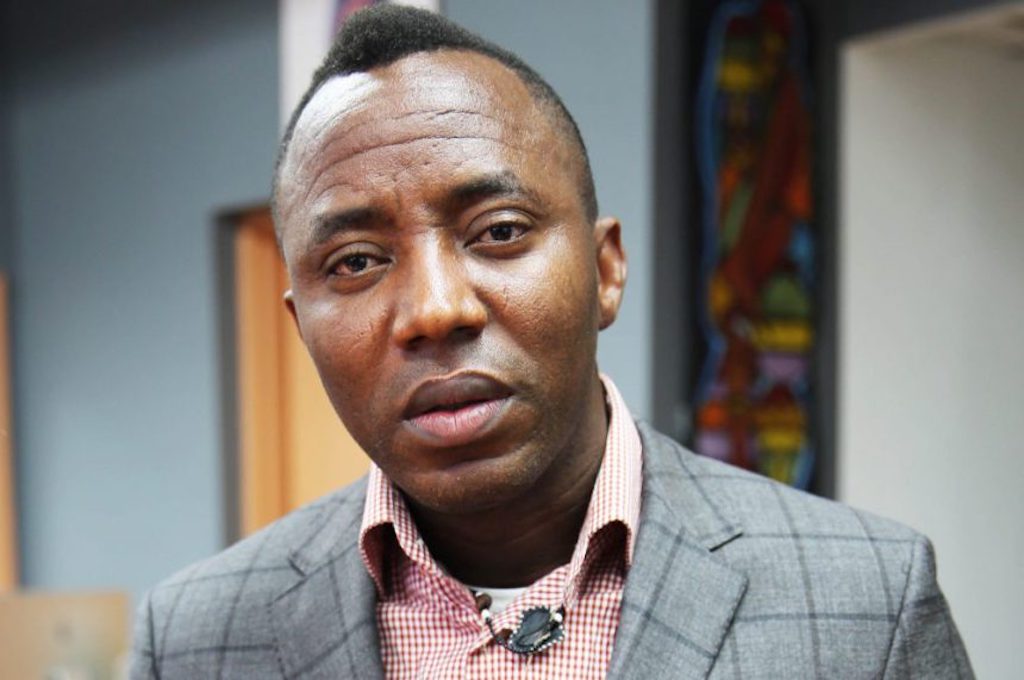
African Action Congress (AAC) presidential candidate Omoyele Sowore has led a protest in Abuja, with demonstrators calling for President Bola Tinubu to leave office ahead of the 2027 general elections.
Sowore was seen at the head of the demonstration on Tuesday, October 6, as protesters moved through parts of the Federal Capital Territory, chanting “Tinubu must go.” Some participants also carried placards displaying the President’s image alongside messages demanding his removal from office.
The protest formed part of Sowore’s continuing opposition to the Tinubu administration and his political mobilisation ahead of the 2027 presidential election. Sowore is expected to contest the election under the AAC platform.
The demonstration also came amid an ongoing legal case involving Sowore and the Department of State Services (DSS). The activist is facing proceedings before the Federal High Court in Abuja over social media posts concerning President Tinubu.
Sowore has consistently criticised the Federal Government over issues including insecurity, economic hardship and what he describes as restrictions on political dissent. His latest protest therefore places those concerns within the wider political contest ahead of the 2027 elections.
The development is significant because street protests have remained an avenue through which Nigerians and civil society groups express dissatisfaction with government policies and demand political or socioeconomic changes. Previous demonstrations led or supported by Sowore have focused on insecurity, the cost of living and governance.
In August, the #TakeItBack Movement staged protests in Abuja, Lagos and other locations over economic hardship, insecurity, inflation and alleged political repression. Protesters also demanded improved wages and stronger action to protect Nigerians from kidnappers and bandits.
Sowore’s latest mobilisation comes as political activities intensify ahead of the 2027 elections. The protest adds to the broader debate over the performance of the Tinubu administration, opposition politics and the role of public demonstrations in Nigeria’s democratic process.
With campaigns and political mobilisation expected to increase, protests and competing demands from political parties, activists and citizens are likely to remain part of Nigeria’s political landscape leading into the 2027 polls.


