

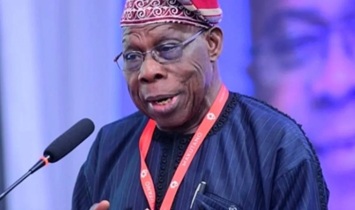
Former President Olusegun Obasanjo has described the 1966 military coup, the counter-coup of the same year, and the annulment of the June 12, 1993 presidential election as some of the darkest moments in Nigeria’s political history, urging citizens to draw lessons from the nation’s past.
Speaking at a public event, Obasanjo referred to the three historic episodes as Nigeria’s “black days,” saying they profoundly shaped the country’s political trajectory and continue to influence national discourse on democracy, unity and governance.
According to the former president, the January 1966 coup and the July 1966 counter-coup triggered a chain of events that deepened ethnic divisions, destabilized the country and eventually culminated in the Nigerian Civil War.
He stressed that the consequences of those military interventions extended beyond the immediate political upheaval, leaving lasting scars on national cohesion and institutional development.
Obasanjo also highlighted the annulment of the June 12, 1993 presidential election as another defining tragedy in Nigeria’s democratic journey.
The election, widely regarded as one of the freest and fairest in the country’s history, was won by the late businessman and politician Moshood Kashimawo Olawale (M.K.O.) Abiola before the results were annulled by the military government, triggering nationwide protests, political unrest and prolonged agitation for democratic rule.
The former president noted that the June 12 crisis represented a major setback for Nigeria’s democratic aspirations but also strengthened the resolve of many citizens to continue demanding constitutional governance and respect for the electoral process.
Obasanjo emphasized that understanding these historical events is essential to preventing similar crises in the future, urging political leaders to place national unity above sectional interests.
He called for stronger democratic institutions, adherence to the rule of law and greater commitment to peaceful political engagement as critical foundations for national progress.
Political analysts say Obasanjo’s remarks serve as a reminder of the importance of preserving democratic values and maintaining institutional stability in Africa’s most populous nation.
They argue that reflecting on pivotal historical events can help policymakers and citizens better appreciate the sacrifices that have shaped Nigeria’s democratic evolution.
Historians also note that both the 1966 coups and the June 12 annulment remain among the most widely studied events in Nigeria’s political history because of their enduring impact on governance, civil-military relations and national reconciliation.
As Nigeria continues to strengthen its democratic institutions, observers believe the lessons from these landmark events remain relevant to ongoing efforts aimed at promoting national unity, credible elections and constitutional governance.
Obasanjo concluded by urging Nigerians, particularly younger generations, to study the country’s history carefully, stressing that learning from past mistakes is essential to building a more peaceful, united and prosperous nation.


