

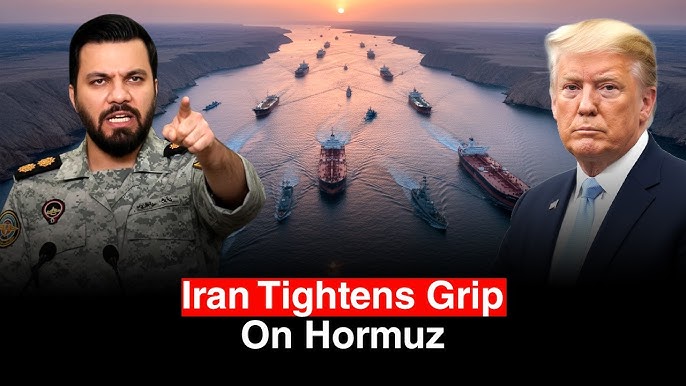
Fresh fears of a global energy crisis have emerged following claims by an Iranian naval source that the strategic Strait of Hormuz has effectively been sealed off to most international maritime traffic. The development comes amid escalating tensions in the Middle East and alleged violations of a fragile ceasefire agreement involving Iran and Israel.
According to the unnamed source within the Iranian Navy, only vessels belonging to Iran or ships originating from Iranian ports are currently permitted to pass through the vital waterway. The move, the source stressed, is a direct demonstration of Tehran’s resolve to act decisively in the event of any breach of the ceasefire terms.
The Strait of Hormuz is widely regarded as one of the most critical النفط transit chokepoints in the world, with a significant percentage of global oil supply passing through it daily. Any disruption to its operations carries far-reaching implications for international markets, particularly for energy-dependent economies.
The source further revealed that only two oil tankers were able to navigate the strait during a narrow window of calm created by the short-lived ceasefire. However, this brief period of stability was abruptly cut short, as Iran accused Israel of violating the agreement, triggering immediate countermeasures.
While there has been no official confirmation from Iranian authorities or independent verification of the closure, analysts warn that even the perception of restricted access to the Strait of Hormuz could send shockwaves through global oil prices and maritime insurance markets. Shipping companies are reportedly reassessing routes, while energy traders remain on high alert.
The reported development adds another layer of complexity to an already volatile regional landscape, where geopolitical rivalries continue to threaten global stability. Observers note that any sustained disruption in the strait could provoke international intervention, given its importance to global trade.
As tensions mount, the international community is urging restraint, emphasizing the need for diplomatic engagement to prevent further escalation. However, with accusations and counter-accusations intensifying, the path to de-escalation appears increasingly uncertain.
For now, the world watches closely as events unfold in one of the most strategically sensitive corridors of global commerce.


