

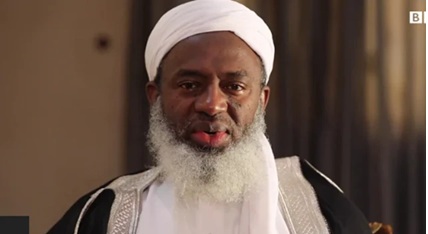
Prominent Kaduna-based Islamic scholar Ahmad Gumi has alleged that Islamophobia is playing a role in some political developments and public reactions in Nigeria’s South-West region, following controversy surrounding a recent visit to Ibadan, Oyo State.
Speaking on the matter, Gumi claimed that he was unfairly dragged into local political disputes despite attending the event in a religious and professional capacity. According to him, criticism of his visit was driven in part by prejudice against his religious identity and public profile rather than by the actual purpose of the engagement.
The cleric argued that certain individuals sought to politicize his presence in the region, portraying him as a controversial figure because of his previous involvement in discussions on insecurity and dialogue with armed groups in northern Nigeria.
Gumi has long been one of Nigeria’s most debated religious figures. He became nationally known for advocating dialogue with bandits and armed groups during periods of heightened insecurity in the North-West. While supporters viewed his approach as an attempt to promote peace and secure the release of kidnapped victims, critics accused him of being too sympathetic toward criminal elements.
The latest comments came after public reactions to his participation in an event in Ibadan, where some social media users and commentators questioned his presence and expressed concerns about his past statements on security issues.
In response, Gumi maintained that every Nigerian citizen has a constitutional right to move freely and participate in lawful activities anywhere in the country, regardless of ethnicity, religion, or region.
Supporters of the cleric have defended his position, arguing that disagreement with his views should not translate into restrictions on his movement or participation in public events. They contend that criticism should focus on ideas and policies rather than religious identity.
Critics, however, reject the claim of Islamophobia and insist that opposition to Gumi stems from his public comments and engagements with bandit groups rather than his faith. They argue that concerns about his role in security-related discussions are legitimate matters of public debate.
The controversy reflects broader tensions surrounding issues of religion, regional identity, security, and politics in Nigeria. Analysts note that public figures associated with contentious national issues often become symbols in wider debates that extend beyond their original actions or statements.
As Nigeria continues to grapple with insecurity and political polarization, discussions involving influential religious leaders such as Gumi frequently generate strong reactions from supporters and detractors alike.
The episode underscores the need for careful dialogue on sensitive issues involving religion, security, and national unity, while also highlighting the importance of protecting constitutional rights and promoting respectful public discourse.


