

The escalating tensions involving the United States, Israel, and Iran have drawn renewed scrutiny to the role and effectiveness of the United Nations Security Council in addressing conflicts involving major global powers.
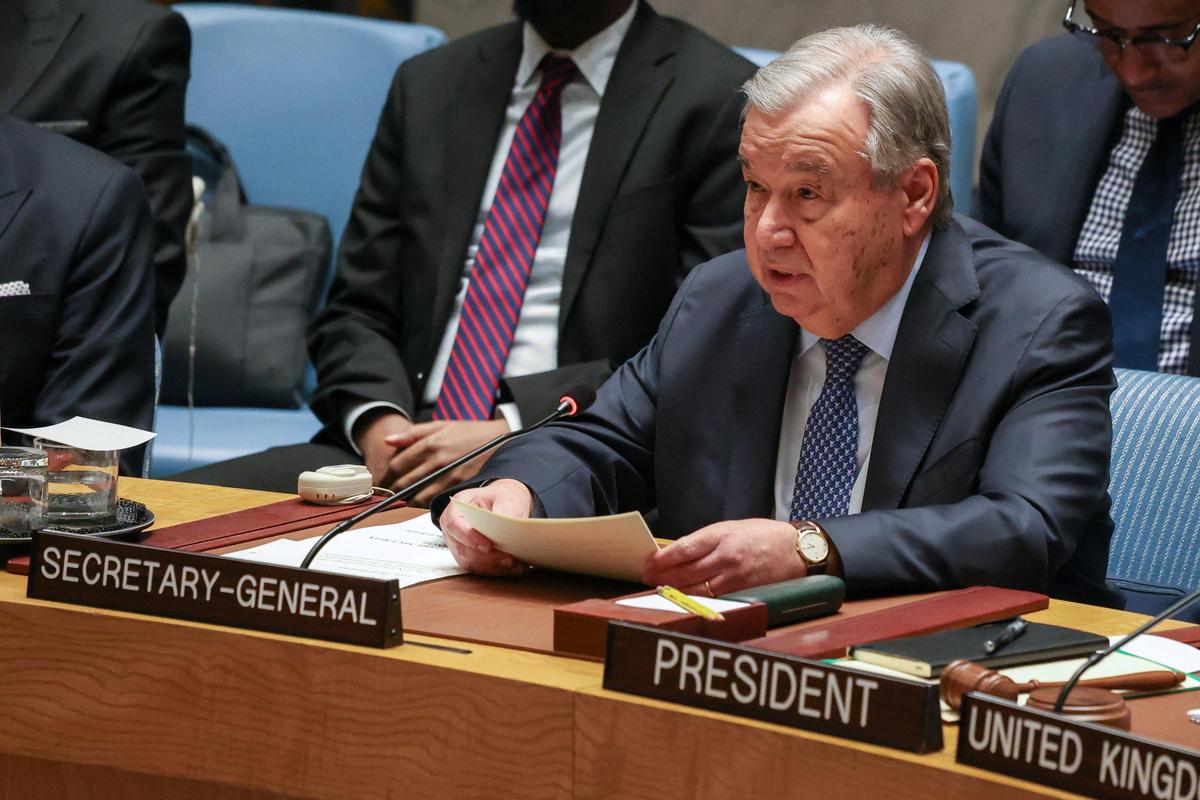
The latest crisis began in late February following coordinated military strikes by the United States and Israel against Iranian targets. The developments prompted an emergency session of the Security Council in New York, where member states debated the legality and implications of the military action.
However, the meeting ended without a formal resolution condemning the strikes or clearly addressing their legal status under international law. Instead, discussions reflected the growing geopolitical divisions among major powers.
Western nations, led by the United States, described the strikes as necessary defensive measures aimed at addressing perceived security threats. In contrast, Iran and several other countries condemned the action as an unlawful attack on a sovereign state.
Meanwhile, both Russia and China criticized the strikes, arguing that they violated the prohibition on the use of force under the United Nations Charter.
Analysts note that the Council’s inability to adopt a unified position reflects longstanding structural challenges within the body. The Security Council’s five permanent members—the United States, the United Kingdom, France, Russia, and China—hold veto power, allowing any of them to block resolutions that conflict with their strategic interests.
This arrangement has historically limited the Council’s ability to act decisively when disputes involve powerful states or their allies. Observers say any resolution condemning the United States or Israel would likely face a veto from Washington, while proposals aligning with Western narratives might encounter opposition from Moscow or Beijing.
The divisions were also evident in a later Security Council resolution responding to Iran’s retaliatory missile and drone attacks targeting Gulf states. Although the resolution passed, critics pointed out that it avoided referencing the initial strikes that triggered the escalation.
Some diplomats argue that such selective framing risks undermining confidence in the consistency of international law. Others maintain that the Security Council was never designed to override the strategic interests of major powers but rather to keep them engaged within a diplomatic framework.
Despite these limitations, the Council continues to serve as a central platform for international dialogue and crisis management. Yet the ongoing confrontation among the United States, Israel, and Iran has once again highlighted the challenges the body faces in maintaining neutrality and enforcing global norms during conflicts involving influential nations.
As geopolitical rivalries intensify, analysts say the crisis raises broader questions about the future role of the Security Council in maintaining international peace and security.


