

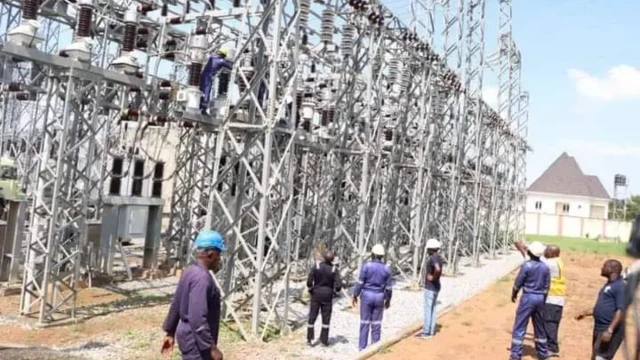
The irony could not be more striking. A state widely known as Nigeria’s industrial powerhouse now grapples with crippling electricity shortages, raising a fundamental question: how can industry thrive where power is absent? In a nation that prides itself on economic potential, the persistent failure of electricity supply continues to choke productivity, inflate production costs, and undermine investor confidence.
Manufacturers across the country increasingly rely on diesel generators to keep their factories running. Yet the cost of diesel and alternative power sources has skyrocketed, pushing many small and medium-scale industries to the brink of collapse. In a climate where electricity from the national grid remains unreliable, the dream of sustained industrial growth becomes harder to realize.
This crisis has once again brought scrutiny to the policies of the ruling and the administration of President , whose government inherited longstanding structural challenges in the power sector but now faces mounting pressure to deliver results.
Critics argue that while political spokespersons and media defenders of the government often dominate public discourse with narratives of progress, the realities on the ground tell a different story. They ask pointedly: where are the loud voices of the APC propagandists when factories shut down due to lack of electricity, when businesses relocate, and when unemployment rises as industries struggle to survive?
Industry does not run on speeches, press statements, or political talking points. It runs on power—steady, reliable, and affordable power. Without it, machines fall silent, production lines halt, and the economic engine stalls.
Until Nigeria resolves its electricity crisis and provides the energy backbone required for manufacturing and innovation, the country risks remaining a “power state without power”—an industrial promise dimmed by a chronic failure to keep the lights on.


