

Nigeria’s New Police Chief Inaugurates Committee on State Policing Reform
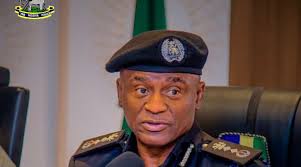
Abuja, March 4, 2026 — Nigeria’s newly appointed Inspector-General of Police, Disu, has inaugurated an eight-member committee to examine the framework for the possible establishment of state police forces across the country.
Disu, who was sworn in earlier on Wednesday in Abuja as Nigeria’s 23rd indigenous Inspector-General of Police, will chair the committee. The panel is led by Professor Olu Ogunsakin and is tasked with conducting a comprehensive study of policing models, assessing Nigeria’s security needs, and outlining key operational structures for potential state police formations.
According to a statement issued following the inauguration, the committee’s mandate includes developing proposals on recruitment standards, training protocols, funding mechanisms, and oversight systems to ensure that any state-level police formations operate in coordination with, and as a complement to, the Nigeria Police Force.
Addressing senior officers and stakeholders, the IGP emphasized that leadership within the force must be anchored on responsibility rather than rank. He reiterated a policy of zero tolerance for misconduct, pledging strict accountability measures to enhance professionalism and public trust.
Disu also underscored the importance of adopting technology-driven policing strategies to combat rising cases of banditry, kidnapping, and other violent crimes. He noted that intelligence-led operations and improved digital capabilities would form a core part of ongoing reform efforts.
The move revives long-standing debates over the decentralization of policing in Nigeria. Advocates argue that state police structures could enable faster response times, better local intelligence gathering, and more tailored security interventions. Critics, however, have consistently called for strong constitutional and institutional safeguards to prevent potential political misuse of state-controlled security outfits.
The committee is expected to submit its recommendations after extensive consultations with security experts, legal scholars, civil society groups, and state governments.
Observers say the outcome of the panel’s work could significantly shape Nigeria’s future security architecture amid persistent calls for structural reform.


