

When a nation is locked in a prolonged battle against terrorism, clarity of leadership and firmness of purpose are not optional—they are essential. In such a climate, the words of those responsible for national security must be carefully measured, because they shape both public confidence and the perception of the state by its enemies.
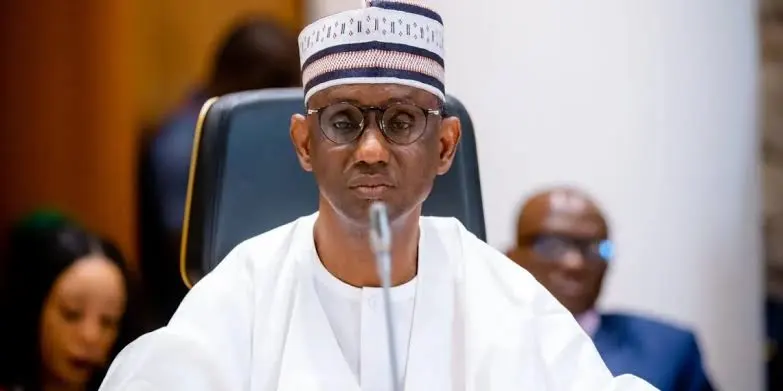
Recent remarks attributed to Nigeria’s National Security Adviser, Nuhu Ribadu, suggesting that terrorists are “his brothers,” have ignited intense public debate and criticism across the country. Many Nigerians view the statement as deeply troubling, arguing that it sends the wrong message at a time when citizens are demanding stronger and more decisive action against violent groups terrorizing communities.
Nigeria has spent more than a decade confronting extremist organizations such as Boko Haram and Islamic State West Africa Province. These groups have carried out attacks that have claimed thousands of lives, displaced millions, and destabilized large parts of the country. For many observers, referring to such actors in fraternal terms risks blurring the moral and strategic lines between the state and those who violently challenge it.
Security analysts often stress that language plays a crucial role in conflicts involving insurgent and terrorist groups. These groups rely heavily on propaganda and symbolic victories. Any statement from high-ranking officials that appears conciliatory or ambiguous can be exploited by such organizations to boost their narrative, recruit supporters, or justify further escalation.
Critics argue that even if the intention behind the comment was to promote dialogue or emphasize shared nationality, the framing of the message matters greatly. In a country already struggling with widespread insecurity, public officials are expected to demonstrate unwavering resolve and communicate a clear message that violent criminality will not be tolerated under any circumstance.
The controversy surrounding the remark has therefore raised broader questions about the tone and strategy of Nigeria’s security leadership under President Bola Ahmed Tinubu. Many Nigerians believe that strong leadership requires not only effective security operations but also disciplined and consistent public messaging that reinforces the government’s commitment to protecting lives and restoring order.
Ultimately, the fight against terrorism is fought on multiple fronts—military, political, and psychological. In that battle, words are not merely statements; they are signals. And when those signals appear mixed or misplaced, they risk creating confusion at home while emboldening those who seek to undermine the nation’s peace and stability.


