

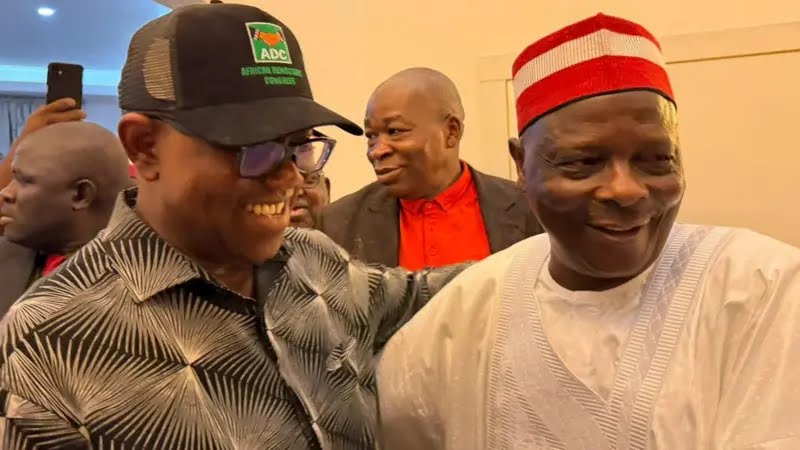
Kano witnessed a remarkable surge of political excitement and symbolic unity as supporters of the Kwankwasiyya Movement broke into spontaneous chants of “Obi! Obi! Obi! Obi–Kwankwaso! Obi–Kwankwaso!” during the official registration of Rabiu Musa Kwankwaso into the African Democratic Congress (ADC). What was initially expected to be a routine political exercise quickly evolved into a charged and emotionally resonant moment, capturing the attention of observers and stakeholders alike.
As the event unfolded, the atmosphere shifted dramatically. Energized supporters—many visibly moved by the significance of the occasion—burst into coordinated songs and rhythmic chants that reverberated across the venue. The energy was not orchestrated from the stage but emerged organically from the crowd, giving the moment an authenticity that formal political gatherings often lack. The repeated fusion of names in the chant created a powerful auditory symbol of unity, one that transcended speeches and formal declarations.
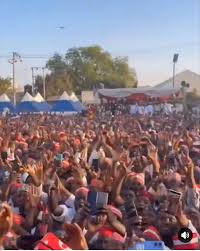
Observers and political watchers have described the development as both symbolic and strategic. The blending of Rabiu Musa Kwankwaso and Peter Obi into a single chant reflects a growing alignment among their grassroots supporters. It signals not just admiration for both figures, but an emerging consensus at the base level that collaboration may represent a viable and desirable political path forward. In a landscape often characterized by fragmentation, such spontaneous unity is both rare and significant.
For many within the Kwankwasiyya Movement, the moment came as a surprise, yet it carried undeniable weight. It served as a clear demonstration that the grassroots base is not only politically aware but increasingly assertive in shaping narratives and influencing direction. Rather than waiting for elite negotiations or formal alliances, supporters appear to be actively projecting their expectations—effectively setting the tone for what they hope to see materialize at higher levels of leadership.
Political analysts note that moments like this—unscripted and crowd-driven—often carry deeper implications than structured endorsements or official statements. They reveal genuine emotional investment and can act as early indicators of broader political shifts. When supporters begin to organically align messaging across different camps, it suggests the formation of a shared political identity that may be difficult to ignore or reverse.
The Kano gathering, therefore, may represent more than a symbolic episode; it could mark the early stages of a significant realignment in Nigeria’s political dynamics. With momentum appearing to build around the idea of a broader coalition, the chants of “Obi–Kwankwaso” may well echo beyond the event itself—signaling the possibility of a formidable alliance capable of reshaping the national conversation ahead of future electoral contests.


