

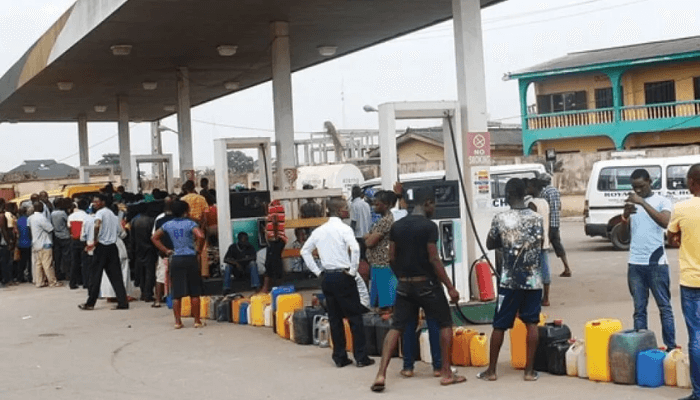
The Middle East escalation have thrown Nigeria off-balance as fuel price jumps from ₦850 to ₦950 in Abuja as Obi’s Production Call Gains Urgency. The escalating conflict involving Iran, the United States, and Israel has once again exposed Nigeria’s fragile petroleum supply structure — reinforcing the argument by Peter Obi that the country must urgently transition from a consumption-driven economy to a production-based one.
In Abuja, the pump price of Premium Motor Spirit (PMS) has surged from ₦850 per litre to about ₦950 within days. The sudden increase has triggered panic buying, long queues, and the temporary closure of several filling stations across the Federal Capital Territory.
Analysts say the crisis highlights a painful contradiction: Nigeria remains one of Africa’s largest crude oil producers, yet it continues to import a significant portion of its refined petroleum products. As global tensions disrupt supply chains and push up crude prices, domestic fuel costs rise almost immediately — exposing the structural weakness of an import-dependent economy.
Transportation Costs Threaten Livelihoods
The immediate consequence is being felt in the transportation sector. Commercial bus operators and taxi drivers have raised fares to reflect higher fuel costs, while interstate transport charges continue to climb.
If the situation remains unchanged, civil servants, business men and women, artisans, and school children may soon face unbearable increases in daily commuting expenses. For many families, transportation already consumes a significant portion of household income. Further hikes could disrupt school attendance, reduce worker productivity, and strain small businesses operating on thin margins.
Food Prices and Cost of Living Under Pressure.
Higher fuel costs also mean increased expenses for transporting farm produce from rural communities to city markets. Traders are expected to transfer these costs to consumers, potentially triggering another round of food price increases.
Small and medium-scale enterprises that rely on petrol-powered generators are equally affected. Rising operational costs may force many to adjust prices upward, worsening inflationary pressure nationwide.
Obi’s “Production Over Consumption” Argument
The unfolding crisis has renewed focus on Peter Obi’s consistent advocacy for moving Nigeria from “consumption to production.” He has repeatedly argued that excessive reliance on imports weakens national resilience and exposes citizens to external shocks beyond their control.
According to Obi’s economic position, Nigeria must prioritize:
1. Local refining and energy sufficiency,
2. Industrialization and manufacturing,
3. Agricultural productivity,
4. Value addition to raw materials.
The current fuel price surge, experts say, underscores the urgency of that transition. A nation that produces crude oil but imports fuel remains trapped in a cycle of vulnerability.
A Defining Economic Moment
While the Middle East conflict did not create Nigeria’s refining challenges, it has magnified them. Each external crisis continues to test the country’s economic structure, revealing the cost of dependency.
As pump prices climb and living expenses rise, the message grows clearer: without a decisive shift toward production-driven growth, Nigeria may remain at the mercy of global disruptions — with ordinary citizens bearing the heaviest burden.


