

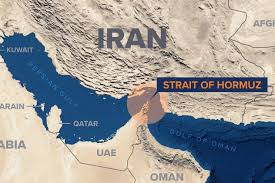
Global shipping through the Strait of Hormuz—one of the world’s most critical oil transit routes—has dropped dramatically in recent days following the withdrawal of war-risk insurance coverage by major marine insurers, according to maritime industry data and analysts.
The decline in vessel traffic comes amid escalating tensions in the Middle East following military strikes involving the United States and Israel against targets in Iran beginning in late February 2026. While concerns initially focused on the possibility of a military blockade of the strait, industry observers say the disruption has instead been driven largely by financial and insurance factors.
Several major Protection and Indemnity (P&I) clubs—including Gard, Skuld, NorthStandard, London P&I Club, and American Club—issued 72-hour notices on March 1 cancelling war-risk coverage extensions for vessels operating in the region. The decision, which took effect from March 5, was linked to heightened security risks associated with the growing regional conflict.
Protection and Indemnity insurance is essential for global shipping, providing coverage for third-party liabilities arising from war, terrorism, piracy, and other maritime threats. Without such coverage, shipowners and operators are generally unwilling to allow vessels—often worth hundreds of millions of dollars—to sail through high-risk zones.
Industry estimates indicate that P&I clubs cover roughly 90 percent of the world’s oceangoing tonnage and rely heavily on reinsurance markets centered in London. Their withdrawal from the Gulf risk environment has effectively halted a large share of commercial shipping through the narrow waterway.
Maritime tracking data from analytics firms such as MarineTraffic, Lloyd’s List Intelligence, and Vortexa indicate that vessel transits through the strait—normally between 100 and 140 ships daily—have fallen sharply, in some instances dropping to single-digit crossings within a 24-hour period.
The strait is a critical artery for global energy markets, carrying an estimated 20 million barrels of oil per day, roughly one-fifth of global consumption. The route is also vital for liquefied natural gas shipments from Qatar and crude exports from Gulf producers including Saudi Arabia, the United Arab Emirates, Kuwait, and Iraq.
The disruption has left hundreds of oil tankers and cargo vessels anchored or diverted outside the strait, stranding shipments and raising concerns about global supply chains and energy prices.
Analysts say the situation also highlights the vulnerability of countries heavily reliant on Gulf energy flows. China, the world’s largest crude importer, depends on the strait for a significant portion of its oil supplies, including imports from Iran and liquefied natural gas shipments from Qatar. Meanwhile, major importers such as India face potential cost pressures if disruptions persist.
In response to the crisis, the administration of Donald Trump announced a $20 billion reinsurance facility through the U.S. International Development Finance Corporation aimed at supporting war-risk insurance coverage for shipping companies operating in the region. U.S. authorities have also considered providing naval escorts for tankers navigating the strategic waterway.
Despite these measures, maritime traffic through the Strait of Hormuz remained significantly reduced as of early March, with insurers and shipping companies still assessing the evolving security risks.
The episode underscores the powerful role financial and insurance markets play in global trade, where risk calculations by insurers can effectively halt commerce in vital shipping corridors—even in the absence of a direct military blockade.


