

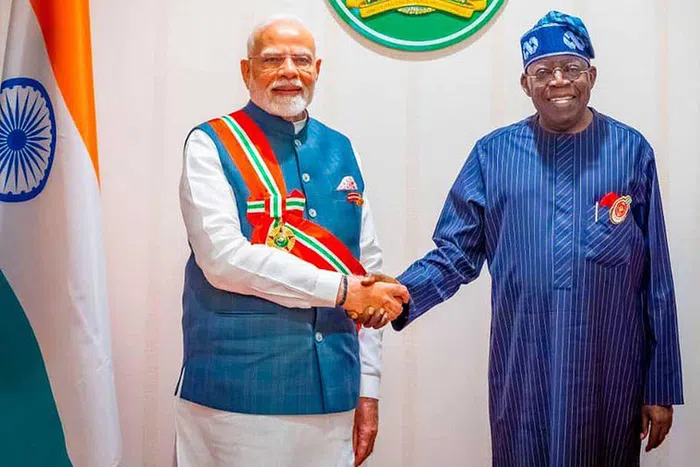
Several countries, including India have reportedly declined to accept some ambassadorial nominees submitted by Tinubu APC government; raising fresh diplomatic concerns for the Nigerian government. The development is linked to the relatively short time remaining in the current administration’s tenure.
Diplomatic sources disclosed that some host countries have policies discouraging the acceptance of ambassadors from governments that have less than two years remaining in office. With Nigeria’s next general election scheduled for early 2027 and President Tinubu’s current term expected to end in May of that year, the tenure of several of the proposed envoys could be significantly limited.
Among the affected nominations is that of Ambassador Muhammad Dahiru, who was reportedly designated to serve as Nigeria’s envoy to India. Authorities in New Delhi are said to have declined granting the necessary diplomatic approval, known as agrément, citing concerns that the envoy might not serve long enough to establish meaningful diplomatic engagement.
Diplomatic insiders say the reservations are not necessarily about the competence of the nominees but rather about ensuring continuity and stability in bilateral relations. Countries often prefer ambassadors who can remain in office long enough to build strategic relationships and oversee the implementation of long-term diplomatic initiatives.
The ambassadorial postings form part of a broader diplomatic reshuffle approved by President Tinubu, which includes more than 60 ambassadors and high commissioners to various countries and international organisations. However, under international diplomatic practice, no envoy can assume duty until the receiving country formally grants approval.
Observers also note that political uncertainty surrounding the anticipated 2027 elections may be contributing to the hesitancy of some countries. With growing speculation about the outcome of the polls and increasing political opposition at home, diplomatic analysts say some governments may prefer to wait for clarity after the elections before accepting long-term diplomatic representatives from Nigeria.
The reported rejections by India and a number of other countries have therefore introduced uncertainty into the implementation of Nigeria’s new diplomatic postings, as the federal government may need to renegotiate placements or consider alternative nominations.


