

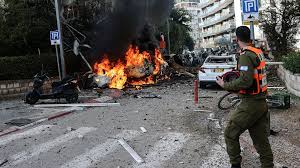
Countries across Europe and Asia are grappling with growing diplomatic and economic disruptions linked to the ongoing tensions in the Middle East, with industries already feeling the impact of supply chain instability.
In India, authorities have postponed a major international steel conference, citing uncertainty caused by the crisis and wider global travel disruptions. The move reflects increasing caution among governments and industry stakeholders as geopolitical tensions continue to affect international engagements.
Across both regions, several countries are also adjusting their trade and energy policies in response to rising concerns over fuel shortages and delayed shipments. Disruptions to key shipping routes have slowed the movement of goods, placing additional pressure on manufacturing and energy-dependent sectors.
Analysts warn that prolonged instability could further strain global supply chains, increase production costs, and slow economic recovery efforts in affected regions.
The developments highlight the far-reaching impact of geopolitical conflicts, with ripple effects extending beyond the Middle East into global trade, energy markets, and international cooperation.


