
The controversy surrounding the age and historical records of Nigeria’s President, Bola Ahmed Tinubu, has evolved from a fringe talking point into a matter of national discourse—one that now tests the resilience of democratic accountability and institutional credibility. What might once have been dismissed as routine political chatter has now taken on deeper significance, raising fundamental questions about transparency at the highest level of leadership.
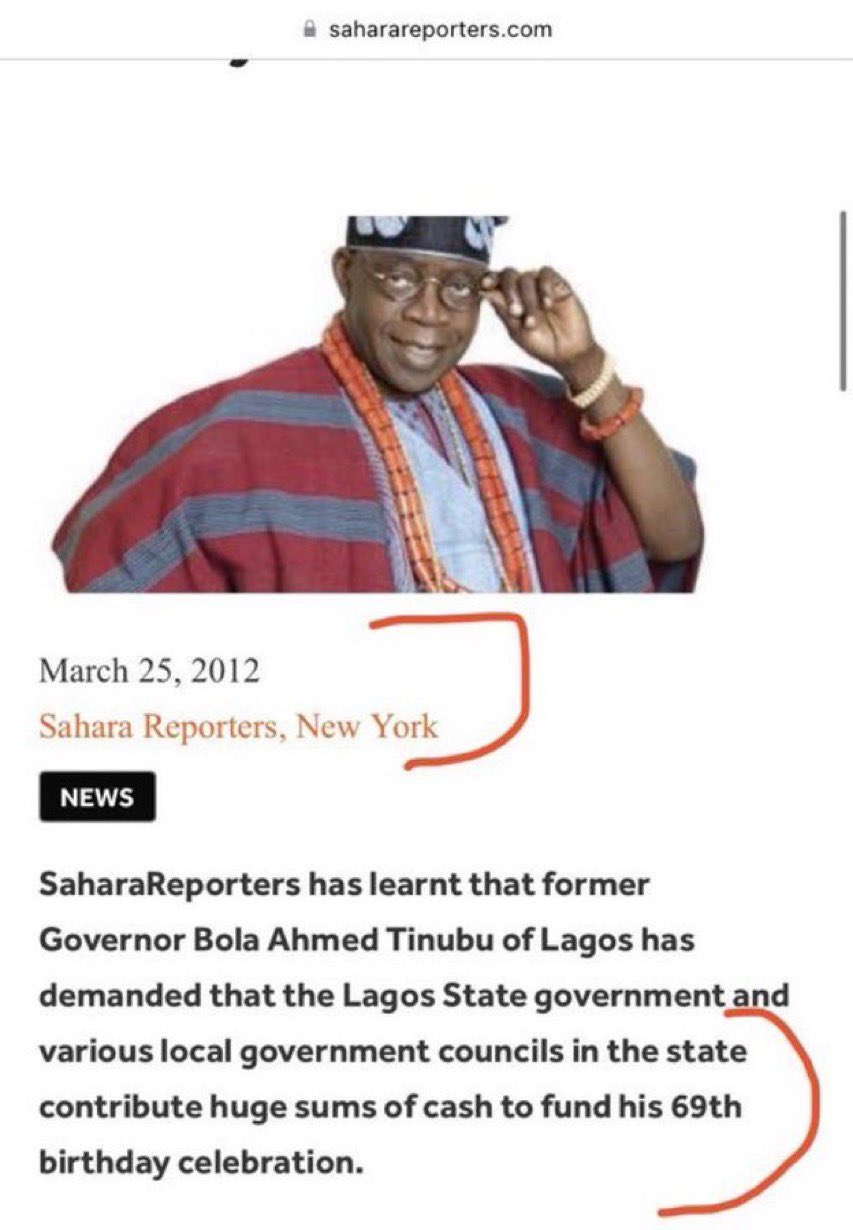
At its core lies a simple but troubling contradiction. A widely circulated claim—yet to be definitively reconciled in the public domain—suggests that the President was listed as 69 years old in 2012. Fast forward 14 years to 2026, and the officially accepted age stands at 74. The arithmetic is unambiguous: a 14-year passage of time cannot result in a 5-year increase in age. This inconsistency, whether arising from error, misreporting, or conflicting documentation, cannot be ignored in a system that depends on accuracy and trust.
Public office—especially at the highest level—is built on documentation. From academic records to sworn affidavits and electoral filings, the biography of any presidential candidate is expected to withstand scrutiny. The Independent National Electoral Commission, as the statutory custodian of electoral processes, mandates that candidates submit personal data under oath. These submissions are not ceremonial; they carry legal consequences and form part of the integrity framework of Nigeria’s democracy. Where inconsistencies arise, the burden shifts to verification and clarification.
This issue extends far beyond the question of age. It speaks directly to credibility and the standard expected of leadership. In a country where citizens are routinely required to provide precise and verifiable personal information for everyday transactions, it is only reasonable that those entrusted with national leadership are held to an even higher standard. Any unresolved discrepancy—real or perceived—risks eroding public trust, weakening institutional confidence, and encouraging a culture where accountability becomes negotiable.
Legal experts have been careful to draw an important line. A discrepancy in records does not automatically constitute wrongdoing. However, if it were to be established that conflicting information was knowingly presented in sworn declarations, such a development could raise serious constitutional and legal concerns. These are matters that fall strictly within the jurisdiction of competent authorities and must be addressed through due process rather than speculation.
Equally significant is the impact of silence. In an era where information moves rapidly and public awareness is heightened, the absence of a clear and authoritative response often fuels more suspicion than clarity. Silence, in such circumstances, is rarely interpreted as neutrality. Instead, it deepens uncertainty and allows competing narratives to flourish unchecked. Leadership, however, demands decisiveness and openness, particularly when public confidence is at stake.
The path forward is neither complicated nor unreasonable. What is required is a transparent and comprehensive clarification of all records relating to the President’s date of birth, alongside independent verification where necessary. Institutions responsible for upholding the law must be allowed to perform their duties without interference, ensuring that any questions of compliance are resolved within the framework of the constitution.
Ultimately, the questions surrounding Bola Ahmed Tinubu are larger than any single individual. They reflect the broader expectations Nigerians have of their democracy—expectations rooted in truth, accountability, and the rule of law. Democracies are not weakened by scrutiny; they are strengthened by it. What remains now is the willingness of institutions and leadership alike to confront these questions directly and provide the clarity that the moment demands.
Editorial: Age, Arithmetic, and Accountability: Unanswered Questions Around Tinubu’s Records Deepen Public Concern

- Advertisement -

