

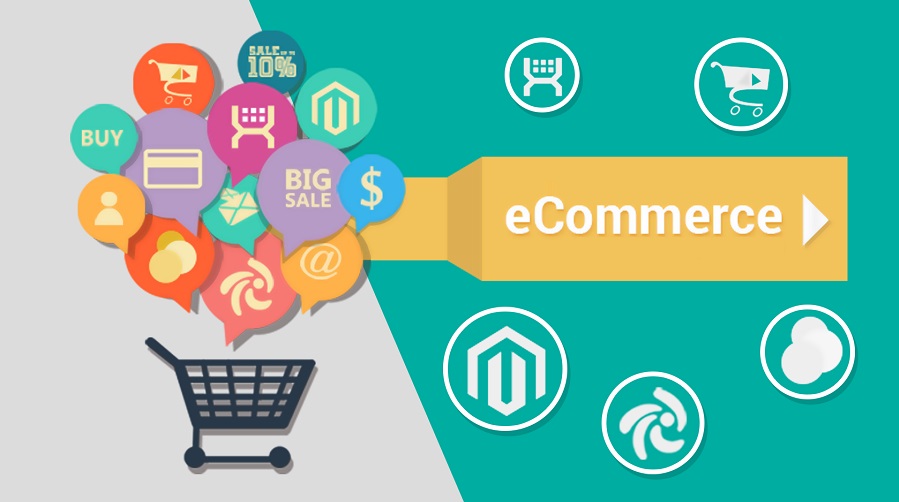
The rapid growth of internet access and digital payment systems is fueling a significant expansion of e-commerce platforms across Nigeria, transforming how consumers buy goods and services.
Online shopping has gained widespread popularity in recent years as more Nigerians turn to digital platforms for convenience, competitive pricing, and access to a wider range of products. From electronics and fashion items to groceries and household goods, consumers are increasingly relying on online marketplaces to meet their everyday needs.
Major e-commerce companies such as Jumia and Konga have continued to strengthen their presence in the Nigerian market by expanding delivery networks, improving mobile shopping experiences, and introducing flexible payment options. These efforts aim to attract more customers while addressing logistical challenges in the country’s retail sector.
Industry analysts note that the rise of smartphones and mobile internet connectivity has played a crucial role in driving e-commerce adoption. With millions of Nigerians accessing online platforms daily, businesses are increasingly investing in digital storefronts to reach customers beyond traditional physical markets.
The growth of online shopping has also created new opportunities for small and medium-sized enterprises (SMEs). Many entrepreneurs now use e-commerce platforms to sell products directly to customers nationwide, reducing the need for expensive physical retail spaces.
In addition, the integration of digital payment services, including mobile banking and fintech solutions, has improved consumer confidence in online transactions. Payment providers such as Flutterwave and Paystack continue to support the e-commerce ecosystem by offering secure and efficient payment processing systems.
However, challenges remain, including logistics infrastructure, delivery delays in remote areas, and concerns about online fraud. Industry stakeholders say addressing these issues will be key to sustaining long-term growth in Nigeria’s digital retail market.
Despite these challenges, experts believe the future of e-commerce in Nigeria remains promising as technological innovation, improved internet penetration, and changing consumer behavior continue to reshape the country’s retail landscape.


