

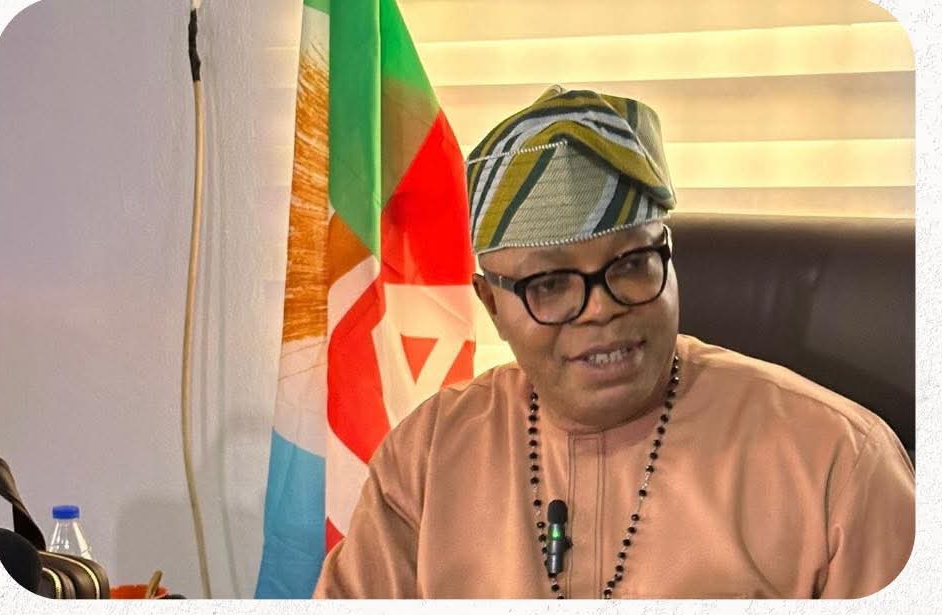
A fresh controversy has erupted in Edo State following allegations that the Chairman of the All Progressives Congress (APC) in Edo State issued a death threat against a woman on social media for criticizing Governor Monday Okpebholo.
The incident, which has since sparked outrage across digital platforms, is being widely condemned by civil society actors, rights advocates, and concerned citizens as a dangerous assault on free speech, civic participation, and democratic norms.
The Alleged Threat
According to screenshots and accounts circulating online, the APC chairman allegedly responded to a critical comment made by a woman about Governor Okpebholo with the chilling message:
“Death awaits you. Send me your address.”
The comment was reportedly made in reaction to the woman’s criticism of the governor’s performance and leadership style. The language used, many observers argue, goes beyond political disagreement and enters the realm of criminal intimidation and incitement to violence.
As of the time of this report, the APC chairman has not issued a clear public denial or clarification addressing the alleged message.
Public Outrage and Condemnation
The alleged threat has drawn widespread condemnation, with many Nigerians describing it as emblematic of a growing culture of political intolerance and abuse of power.
Critics argue that when senior party officials resort to threats over criticism, it sends a frightening signal to ordinary citizens—especially women—that speaking out could come at a deadly cost.
Human rights advocates warn that such conduct, if left unchecked, could normalize violence as a tool of political engagement.
Free Speech Under Threat
Nigeria’s constitution guarantees citizens the right to freedom of expression, including the right to criticize elected officials. Political analysts say the alleged threat represents a direct contradiction of democratic principles and raises serious questions about the safety of dissenting voices under partisan control. Observers also note that women are disproportionately targeted in online political harassment, making the alleged threat even more disturbing in its implications.
Silence and Accountability Questions
The incident has raised pressing questions about accountability within the ruling party and government:
• Will the APC leadership investigate the allegation?
• Will law enforcement agencies take up the matter as a potential criminal threat?
• Will Governor Okpebholo publicly distance himself from such conduct?
So far, no official statement from the Edo State Government or the national leadership of the APC has addressed the controversy directly.
A Dangerous Precedent
Analysts warn that failure to address the issue decisively could embolden others in positions of power to intimidate critics into silence. In a country already grappling with insecurity and declining trust in institutions, threats of violence from political actors risk further eroding public confidence in governance.
Democracy, critics insist, cannot survive where fear replaces dialogue and threats replace accountability.
Conclusion
The alleged threat by the Edo APC chairman, if proven, represents a grave abuse of political authority and a direct attack on democratic freedoms. Beyond party politics, the incident highlights a broader national concern: the shrinking space for dissent and the rising normalization of intimidation in Nigeria’s political culture. As public pressure mounts, many Nigerians are calling for a transparent investigation, clear accountability, and a reaffirmation that no citizen should be threatened with death for expressing an opinion.
Nigeria’s democracy, they argue, demands nothing less.


