

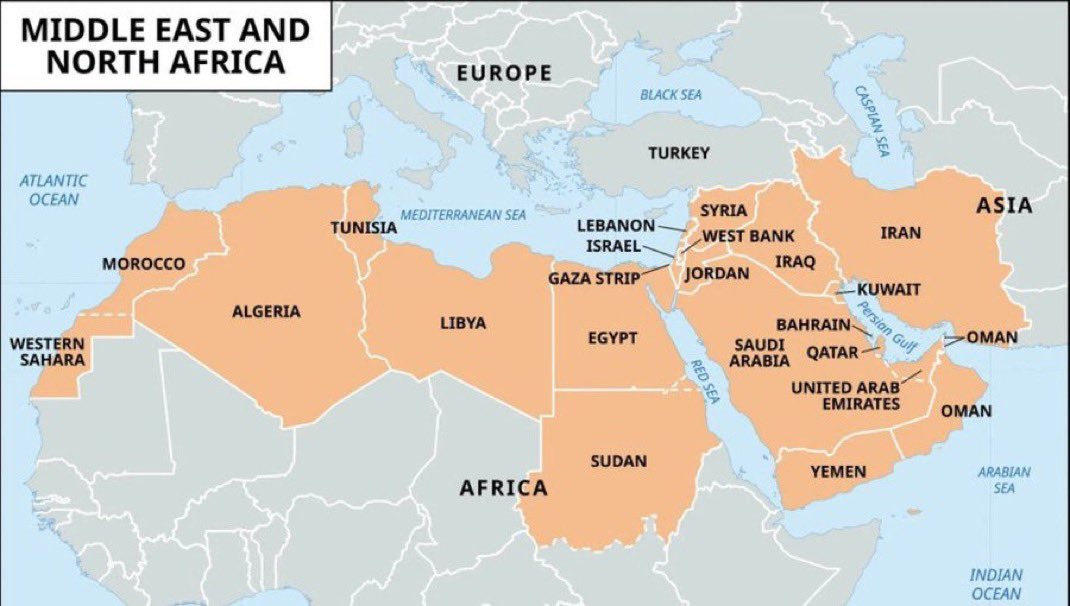
Iran has reportedly launched a series of coordinated missile attacks targeting five countries just two hours after a ceasefire agreement went into effect, in what observers describe as a shocking and potentially destabilizing escalation in the Middle East.
The countries said to be affected include:
1. Israel
2. United Arab Emirates
3. Bahrain
4. Saudi Arabia
5. Kuwait
According to the circulating reports, the strikes occurred almost immediately after the ceasefire came into force, raising serious questions about Iran’s commitment to the truce and the broader prospects for peace in the region. The alleged attacks, said to involve ballistic missiles, have triggered heightened security alerts across affected nations, with governments reportedly activating air defense systems and emergency response protocols.
Ceasefire Conditions
The ceasefire agreement, reached after days of heightened military tension, reportedly included the following key conditions:
Immediate cessation of hostilities between Iran and opposing forces, particularly involving Israel
No missile or drone attacks by any party across regional borders
Respect for territorial sovereignty of all nations in the Gulf region, including Saudi Arabia, United Arab Emirates, Bahrain, and Kuwait
Protection of critical infrastructure, especially oil installations and civilian facilities
Commitment to diplomatic dialogue mediated by international actors
Non-escalation clause, prohibiting any retaliatory or preemptive strikes during the ceasefire period
The reported violation of these terms, if confirmed, would represent a direct breach of the agreement and could trigger swift diplomatic and possibly military responses from affected nations and their allies.
Security analysts warn that a multi-country strike of this nature could rapidly expand the scope of the conflict, drawing in a broader coalition and threatening global energy security, given the strategic importance of Gulf states.
In Israel, which remains at the center of tensions with Iran, such developments could provoke immediate retaliation, further intensifying the crisis. Military readiness levels are believed to be at their peak amid fears of a wider regional confrontation.
While official confirmations are still emerging, the situation remains highly fluid, with global attention fixed on the Middle East as diplomatic efforts struggle to contain the fallout.


