

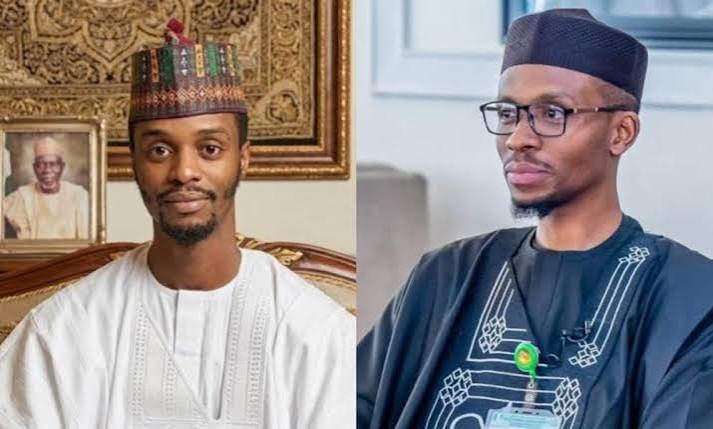
A public disagreement between Bashir El-Rufai and his elder brother, Mohammed Bello El-Rufai, has escalated after Bashir made serious allegations about the federal lawmaker’s alleged lifestyle.
Bashir, son of former Kaduna State Governor Nasir El-Rufai, made the claims in a series of posts on X, where he accused Bello of using cocaine and consuming alcohol.
In one of the posts, Bashir alleged that his brother had a white substance around his nostrils and accused him of preferring drugs and alcohol despite his position as a member of the House of Representatives.
“That is your member in the House, representing a whole populace, but prefers alcohol and cocaine. Yes, you,” Bashir wrote.
The comments attracted reactions from social media users, with some questioning Bashir’s decision to take a family disagreement into the public domain.
One user advised him to settle the matter privately. Bashir, however, rejected the criticism and maintained that the allegations were directed at his elder brother.
“He’s the one on colos, actually, and a diet of cocaine and whiskey,” Bashir responded.
The allegations have not been independently verified, and Bello had not publicly responded to the claims at the time of reporting.
The controversy is coming amid existing political differences within the El-Rufai family. Mohammed Bello represents Kaduna North Federal Constituency in the House of Representatives and was elected in 2023 on the platform of the All Progressives Congress.
He later defected to the African Democratic Congress in May 2026, following his father’s political realignment away from the APC. His decision has reportedly been a source of disagreement with Bashir, who has criticised his political relationship with Kaduna State Governor Uba Sani.
Nasir El-Rufai governed Kaduna State from 2015 to 2023 and has remained active in opposition politics since leaving the APC.
The latest family dispute has drawn public attention because of the political prominence of the El-Rufai family and the approaching 2027 general elections.
For now, the allegations remain claims made during a public disagreement, with no independent evidence presented to substantiate them.