

As political activities intensify ahead of the 2026 governorship election in Ekiti State, attention is gradually turning to the prospects of candidates contesting under smaller political platforms, particularly the African Democratic Congress (ADC). With the June 2026 election approaching, analysts are examining whether the ADC can break the traditional dominance of the major parties in the state.
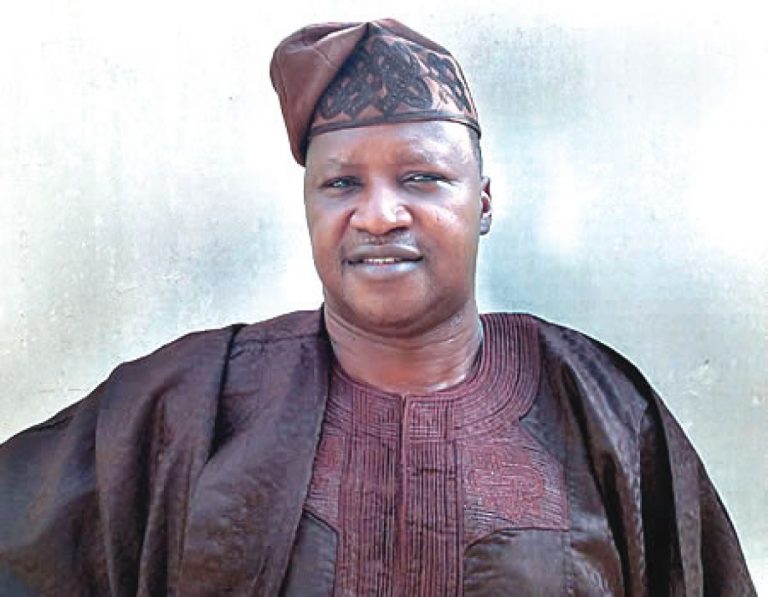
The ADC’s flag bearer, Dare Bejide, emerged as the party’s candidate after winning the primary election with 15,466 votes, defeating four other aspirants including former Deputy Governor Olusola Eleka. Bejide is a former Nigerian Ambassador to Canada and previously served as Secretary to the Ekiti State Government, giving him significant administrative and political experience.
Political observers note that Bejide’s experience and name recognition could help the ADC build credibility among voters seeking alternatives to the dominant political parties. The candidate himself has expressed strong confidence that the ADC will win the election, citing growing dissatisfaction among some residents with the current political establishment.
However, the political terrain in Ekiti remains highly competitive. The incumbent governor, Biodun Oyebanji of the All Progressives Congress (APC), represents a strong political structure with deep grassroots networks across the state. Oyebanji, who won the 2022 governorship election, still commands the advantage of incumbency and the support of the ruling party’s machinery.
Another factor shaping the contest is the crisis affecting some opposition parties. Reports indicate that the Peoples Democratic Party (PDP) faced internal disputes that affected the listing of its candidate by the Independent National Electoral Commission (INEC), a situation that could reshape the political dynamics of the race. If such divisions persist, smaller parties like the ADC could potentially gain electoral advantage by attracting protest votes.
Despite these opportunities, analysts caution that the ADC still faces structural challenges. The party lacks the extensive grassroots organization, financial strength, and statewide political machinery typically enjoyed by the APC and PDP in Ekiti politics. Electoral success in the state has historically depended heavily on strong party structures at ward and local government levels.
Nonetheless, Bejide’s candidacy may still influence the political landscape. If the ADC successfully mobilizes disaffected voters and consolidates support among opposition groups, the party could emerge as a significant third force in the election.
With the governorship poll scheduled for June 2026, the coming months will test whether the ADC can translate its growing political rhetoric into a credible electoral challenge or whether the contest will remain largely dominated by the traditional political heavyweights in Ekiti State.


