

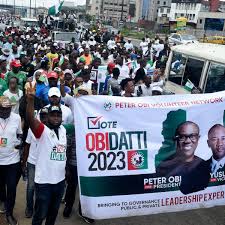
A growing coalition of civic and advocacy voices in Nigeria is intensifying calls for political reform ahead of the 2027 general elections, with renewed support for Peter Obi as a central figure in the evolving national conversation.
Under the banner “Nigerians United Against Corruption and Insecurity,” a pan-Nigerian advocacy group has declared that the former presidential candidate’s “time has finally come,” positioning the next election as a decisive contest between forces aligned with reform and those perceived to benefit from entrenched corruption.
The group’s position builds on a widely circulated opinion piece by Prince Omokhodion Okojie, which argued that Obi’s path to the presidency is obstructed not by lack of qualification, but by systemic resistance within Nigeria’s political structure. The article described corruption as deeply embedded in governance and suggested that reform-minded leadership faces significant institutional pushback.
According to the advocacy group, recent political developments indicate a realignment of interests, with voters increasingly focusing on governance issues such as accountability, transparency, and security rather than traditional electoral factors like ethnicity, religion, or incumbency advantage.
The statement also reflects broader public discourse around governance under Bola Ahmed Tinubu, as economic pressures and security concerns continue to shape political sentiment across the country.
Supporters of Obi argue that his policy emphasis on fiscal discipline, reduced cost of governance, and investment in critical sectors such as education and healthcare resonates with a growing segment of the population, particularly young voters and urban professionals.
However, analysts note that while Obi remains a significant political figure, Nigeria’s electoral landscape remains complex. Political structures, party dynamics, and institutional factors will play a crucial role in determining the trajectory of the 2027 elections.
As political activity gradually intensifies, the framing of the election as a referendum on corruption and governance signals a shift in narrative—one that could redefine campaign strategies and voter engagement in the coming years.


