

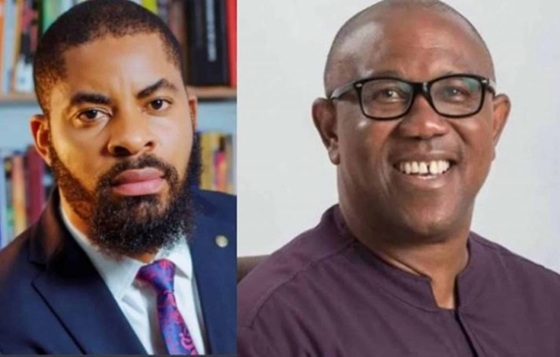
Former Labour Party presidential candidate Peter Obi has emerged as the focal point of renewed political discussions on Nigerian social media, with thousands of users expressing support for his potential participation in the 2027 presidential election even as activist and lawyer Deji Adeyanju intensified criticism of the former Anambra State governor.
The online conversations, which gained momentum across multiple social media platforms, saw supporters describing Obi as one of the leading opposition figures capable of mounting a formidable challenge in the next general election. Many participants cited his record as governor of Anambra State, pointing to what they described as prudent financial management, investment in education, healthcare and infrastructure, as reasons he remains a preferred presidential option.
Several contributors also advocated closer cooperation among opposition leaders, particularly suggesting a political alliance between Peter Obi and former Kano State Governor Rabiu Musa Kwankwaso. Supporters argued that a united opposition could strengthen efforts to present a more competitive alternative in the 2027 presidential contest.
The growing online support came against the backdrop of remarks by activist Deji Adeyanju, who accused Obi of deepening divisions during the 2023 general election. Adeyanju alleged that the former presidential candidate promoted political narratives that divided Nigerians along ethnic and religious lines, describing him as the country’s “Divider in Chief.”
The comments generated mixed reactions, with many social media users rejecting the allegation and defending Obi’s political record. His supporters argued that the former governor consistently campaigned on issues of accountability, prudent governance, economic reform and national unity rather than identity politics.
Some participants described the criticism as part of an ongoing campaign aimed at weakening Obi’s political influence ahead of the next election cycle. They urged supporters to remain focused on promoting policy discussions rather than engaging in personal attacks or inflammatory exchanges online.
Political observers note that debates surrounding Obi have remained prominent since the conclusion of the 2023 presidential election, reflecting his continued relevance in Nigeria’s evolving political landscape. His supporters maintain that his message of transparency, fiscal discipline and institutional reform continues to resonate, particularly among young voters and urban professionals.
Beyond defending Obi against criticism, many online contributors called on Nigerians to prepare for the 2027 elections by obtaining and safeguarding their Permanent Voter Cards (PVCs). They stressed that electoral participation, rather than social media engagement alone, would determine the outcome of future elections.
The discussions also shifted attention to broader national issues, with contributors calling on political leaders to focus on reducing the cost of governance, improving security, tackling corruption, creating jobs and addressing Nigeria’s economic challenges. Many argued that the 2027 election should centre on competing policy ideas and measurable governance records rather than ethnic or religious sentiments.
Analysts believe the renewed wave of online engagement demonstrates that political conversations surrounding the 2027 elections are already gathering pace despite the polls being years away. With major political parties expected to begin coalition talks and strategic realignments in the coming months, figures such as Peter Obi are likely to remain at the centre of public discourse.
As Nigerians continue to debate the country’s political future, observers say the growing digital engagement highlights the increasing influence of social media in shaping public opinion, mobilising supporters and setting the agenda for national political conversations ahead of the next electoral cycle.


