

For over a century, Northern Nigeria’s political identity has been shaped by the composite construct of the “Hausa-Fulani”—a fusion created for demographic and political expediency. This construct, credited with aggregating population weight and ensuring cohesion, has served as a powerful instrument for wielding political relevance on the national stage. Yet, beneath this artificially maintained unity, subtle but significant shifts are now surfacing that threaten to transform the region’s power dynamics and sense of self.
A Quiet Reassessment of Identity and Authority
Recent discourse among thought leaders from the Hausa-majority Northwest suggests a growing dissatisfaction with the current distribution of political authority. Despite their numerical dominance, many Hausa communities now question whether their demographic strength is truly reflected in positions of power. This dissatisfaction, though not yet formalized or organized, is increasingly surfacing in public debates and on digital platforms, raising questions about representation and legitimacy in the region’s upper tiers of decision-making.
Legacy of the Emirate System and Fulani Influence
In key states such as Sokoto, Kano, Katsina, and Kebbi, the structures of governance still bear the imprint of the emirate system—an institution rooted in the Fulani Jihad of over 200 years ago. While these aristocratic networks have adapted to modern governance, they continue to shape access to power and succession. Critics argue that, although Nigeria’s political landscape is complex and layered, the issue at hand is not one of total dominance but of symbolic authority: Who is seen to embody power, and whose lineage or network grants access to it?
Hausa communities increasingly perceive the upper echelons of power as being disproportionately occupied by those with Fulani heritage or connections. While this is difficult to measure empirically, the perception itself has become a powerful force, shaping political behavior and fueling narratives of exclusion, particularly on social media, where such claims often find rapid resonance.
Religion and Poverty: Structural Forces Shaping Power
Two deeper currents religion and poverty continue to influence the organization and maintenance of power in northern Nigeria. Islam, as the region’s dominant faith, has historically functioned as a unifying force and a source of political legitimacy. Clerical networks have mediated ethnic tensions and promoted stability by emphasizing unity and restraint, but this same stability can also obscure and delay the expression of internal inequalities.
Poverty further compounds this dynamic. Economic fragility fosters dependence on patronage and limits independent political activity, meaning that grievances often remain fragmented and vertical loyalty is reinforced. This system, while cohesive, is also restrictive, allowing traditional authority structures to endure and making it difficult for the Hausa majority to translate their numbers into organized political influence.
Digital Disruption and the Erosion of Old Barriers
This equilibrium is now under pressure from two developments. First, the rise of digital communication has provided ordinary people with narrative autonomy, allowing them to bypass traditional gatekeepers and contest official interpretations of power in real time. Second, persistent insecurity and worsening economic conditions have reduced the authority of appeals to unity and patience. Where lived experience sharply diverges from elite reassurances, skepticism spreads.
The result is a gradual transition from acceptance to questioning, and from questioning to articulation of grievances. While not yet a coordinated movement, a convergence of voices across platforms is now expressing similar concerns about equity, representation, and institutional access.
Historical Parallels and the Need for Structural Adjustment
History warns of the risks when numerically dominant populations feel persistently excluded from visible power, especially when that authority is associated with a smaller, entrenched elite. While Nigeria’s scale and complexity differ from cases like Rwanda, the lesson remains: Stability sustained by ambiguity and deferred grievances is ultimately precarious. Religion and poverty may delay reckoning, but they cannot replace genuine structural reform.
A Budding Reconfiguration in the North-West
As the long-standing Hausa-Fulani political stratagem is quietly interrogated, identities that were once fused for political convenience are beginning to differentiate under pressure. The emerging Hausa question is not only about representation but about the very frameworks of governance and inclusion.
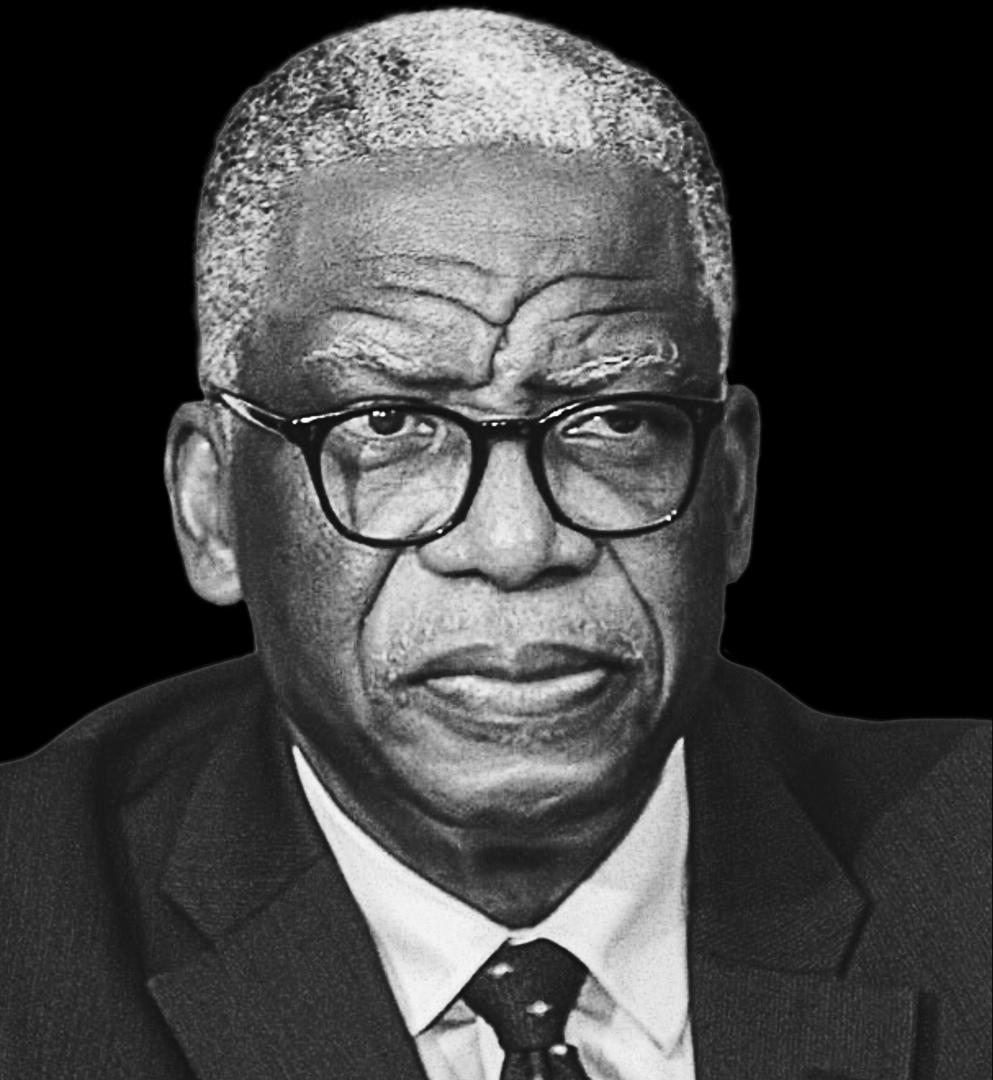
The appropriate response, argues Dr. Ikiebe, is not denial or alarmism, but recognition: Acknowledging that these grievances are rooted in lived experience, and that their persistence reflects deeper governance structures rather than superficial discontent. Sustainable stability will require more than rhetoric, it demands visible, meaningful inclusion and reform.
As the North-West remains central to Nigeria’s political fortunes, the outcome of these evolving dynamics will shape both the region’s and the nation’s future. Whether the current strains lead to adaptation or fracture will depend on the willingness of governing institutions to respond in ways that are genuinely inclusive and practically effective.


