


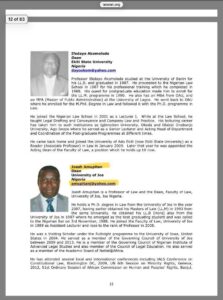
A formal communication addressed to Joash Amupitan, Chairman of Independent National Electoral Commission (INEC), has raised serious legal and ethical concerns over alleged denial of ownership of certain digital assets, including social media accounts and associated financial identifiers.
The legal article represents urgent and private, warning that public denials linked to the controversy may expose the senior advocate of Nigeria to significant legal risks, particularly in the context of digital forensics and judicial scrutiny. It argues that in an era of advanced technological tracking, denial of ownership could trigger deeper forensic investigations capable of linking accounts to personal identifiers such as email addresses, phone numbers, and financial records.

According to the correspondence, financial platforms operating under strict Know Your Customer (KYC) regulations could, upon judicial order, reveal identity verification details such as Bank Verification Numbers (BVN) and National Identification Numbers (NIN), potentially establishing ownership of disputed accounts. It further notes that global technology platforms may provide access logs and device histories if subpoenaed by a court.

The document cautions that escalating the matter through threats of arrest against individuals highlighting alleged digital links may shift the issue from a public relations challenge to a potential criminal liability. It specifically references provisions under Nigerian law relating to false information and misuse of state institutions, warning that any sworn denial later proven false could amount to perjury.
In addition, the communication highlights possible international implications, pointing to the jurisdiction of the ECOWAS Court of Justice. It notes that the court has previously ruled against the misuse of state authority in matters involving citizens’ rights and digital expression, raising the possibility of cross-border litigation and reputational consequences for both the individual and the Nigerian state.
The article also references oversight bodies including the Nigerian Bar Association and the Code of Conduct Bureau, suggesting that the situation could attract disciplinary or ethical review if substantiated.
In its concluding remarks, the correspondence advises a shift toward transparency, warning that continued denial in the face of alleged digital evidence could further damage institutional credibility and personal reputation. It suggests that failure to address the issue decisively may have long-term professional and legal consequences.
As of the time of filing this report, there has been no official response from INEC or Professor Amupitan regarding the allegations outlined in the communication.


