

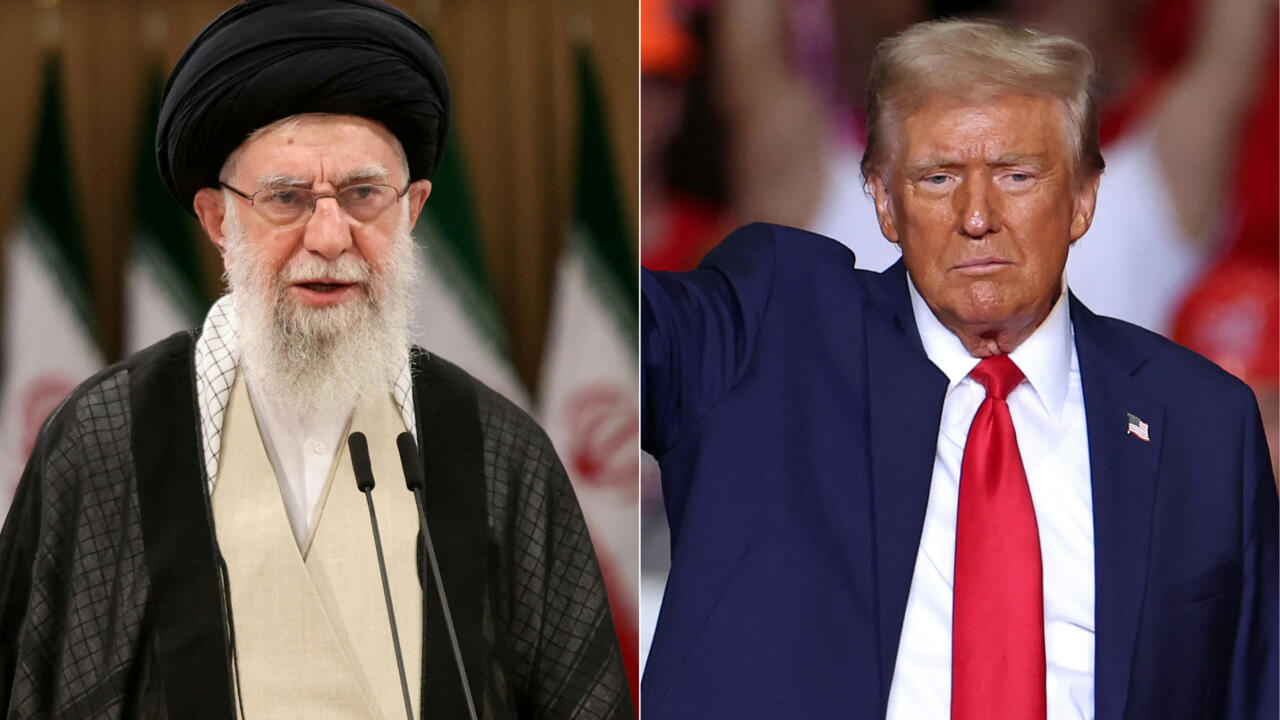
Fresh tensions have erupted on the global stage as the United States President Donald Trump declared that Iran remains unwilling to abandon its nuclear ambitions, following nearly 20 hours of high-stakes negotiations between American and Iranian officials in Islamabad, Pakistan.
In a strongly worded statement posted on his Truth Social platform, Trump expressed deep frustration over the outcome of the prolonged diplomatic engagement, suggesting that while some progress may have been made, it ultimately falls short of addressing what he described as the core threat—Tehran’s pursuit of nuclear capability.
“In many ways, the points that were agreed to are better than us continuing our military operations to conclusion,” Trump stated. “But all of those points don’t matter compared to allowing nuclear power to be in the hands of such volatile, difficult, unpredictable people.”
The talks, held in Islamabad, were seen as a crucial attempt to de-escalate rising tensions between Washington and Tehran, amid growing international concern over Iran’s nuclear programme. Diplomats had hoped the extended negotiations would produce a breakthrough capable of reviving stalled agreements and preventing further confrontation in an already volatile Middle East.
However, Trump’s remarks appear to cast a shadow over the diplomatic efforts, reinforcing a hardline stance that has long characterized his approach to Iran. Reiterating a position he has maintained for years, Trump declared emphatically: “I have always said, right from the beginning, and many years ago, IRAN WILL NEVER HAVE A NUCLEAR WEAPON!”
Iran’s nuclear ambitions have remained a contentious issue in global politics, particularly since the collapse of the Joint Comprehensive Plan of Action, commonly known as the Iran nuclear deal. The agreement, which sought to limit Iran’s nuclear activities in exchange for sanctions relief, unraveled after the United States withdrew during Trump’s presidency, triggering a cycle of sanctions and countermeasures.
While details of the Islamabad discussions have not been fully disclosed, insiders suggest that negotiators explored a range of proposals, including enhanced monitoring mechanisms, phased sanctions relief, and limits on uranium enrichment. Despite these efforts, significant gaps reportedly remain, particularly on the issue of Iran’s long-term nuclear capabilities.
Analysts warn that the failure to secure a definitive agreement could heighten the risk of renewed military confrontation. Trump’s reference to the possibility of continuing military operations underscores the fragile nature of the situation and raises concerns about a potential escalation that could have far-reaching consequences for global security and energy markets.
The international community, including European and Asian stakeholders, has consistently called for restraint and dialogue, emphasizing the need for a diplomatic solution. The prospect of a nuclear-armed Iran is widely viewed as a red line by several nations, not least because of its implications for regional stability and the potential for a broader arms race in the Middle East.
For now, uncertainty looms large. While diplomacy remains on the table, Trump’s latest comments suggest that trust between the parties is still in short supply. As negotiations hang in the balance, the world watches closely, aware that the decisions made in the coming days could shape the future of international security for years to come.


