

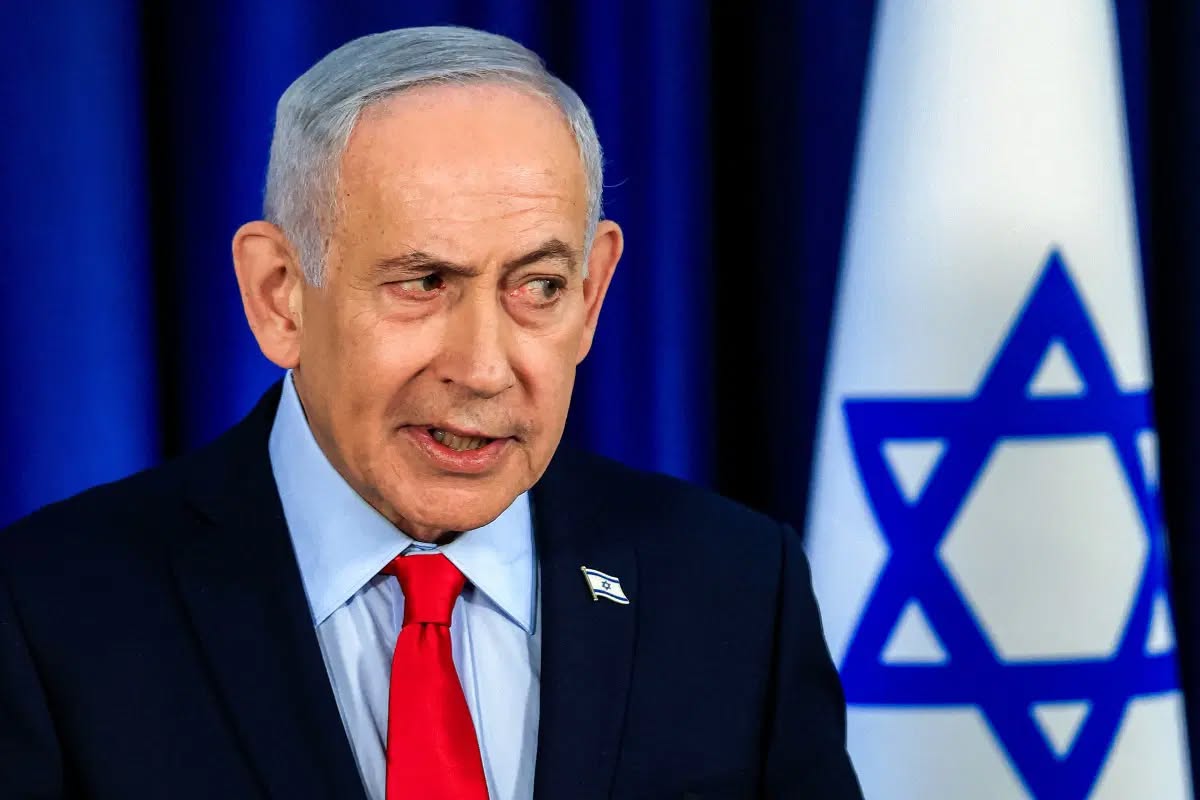
Israeli Prime Minister Benjamin Netanyahu has declared that Israel will continue its military operations against Hezbollah “wherever necessary,” signaling a sustained and potentially escalating campaign despite mounting international concern over the humanitarian toll in Lebanon.
Speaking on Thursday, Netanyahu reaffirmed Israel’s uncompromising stance, just a day after some of the deadliest airstrikes in recent weeks struck multiple locations across Lebanon. The Israeli leader emphasized that operations against Hezbollah—widely regarded as an Iran-backed force—would not be limited by geography or political pressure, underscoring what he described as Israel’s right to defend itself against ongoing threats.
The declaration comes amid an intensification of hostilities along Israel’s northern front. According to recent reports, Israeli forces launched one of the largest coordinated air offensives since the conflict escalated, targeting over 100 Hezbollah-linked sites, including command centers and infrastructure embedded within urban areas.
The strikes have had devastating consequences. In Beirut and other parts of Lebanon, hundreds of casualties have been reported, with widespread destruction of residential neighborhoods and critical infrastructure. The scale of the attacks has drawn condemnation from international organizations and raised fears of a broader regional war.
Despite a recently announced ceasefire agreement between the United States and Iran, Israel has made it clear that the truce does not extend to its operations in Lebanon. Netanyahu and Israeli military officials insist that the campaign against Hezbollah will proceed independently, citing continued security threats from the group.
Lebanese authorities, meanwhile, have condemned the strikes as violations of sovereignty and international law, calling for urgent global intervention. Humanitarian agencies warn that the situation is rapidly deteriorating, with over a million people reportedly displaced and essential services under severe strain.
Hezbollah has responded with warnings of continued resistance, raising the specter of further retaliation and deepening instability across the region. Analysts caution that the exclusion of Lebanon from broader ceasefire arrangements could undermine diplomatic efforts and prolong the conflict.
As tensions surge, Netanyahu’s firm stance signals that Israel is prepared for a prolonged confrontation—one that could redefine the geopolitical dynamics of the Middle East and test the limits of international diplomacy in the face of escalating warfare.


