

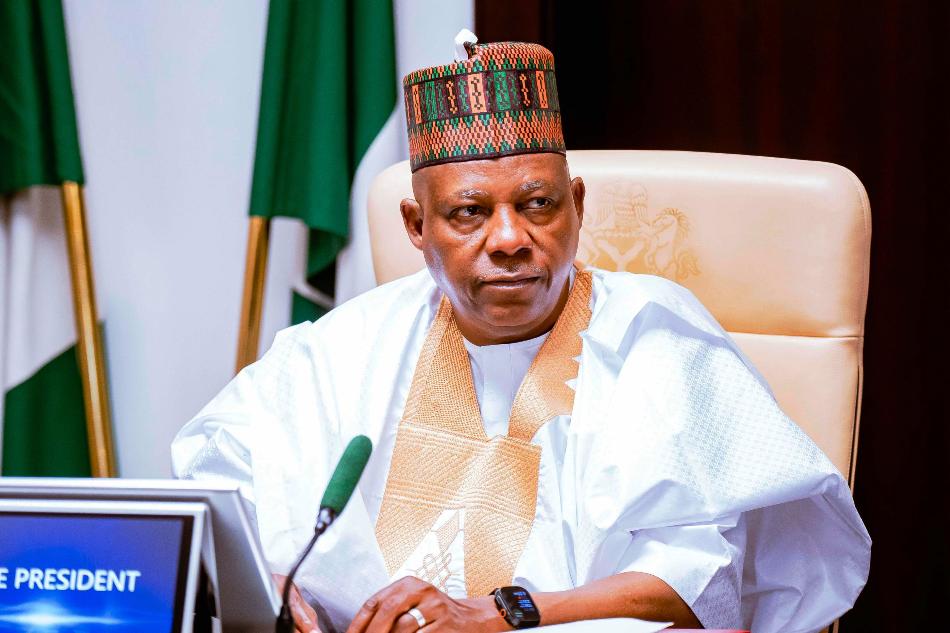
Nigeria’s political landscape has once again been stirred following remarks by Vice President Kashim Shettima, who stated that no individual can force their way into the presidency through intimidation, a comment widely interpreted as directed at Labour Party figure Peter Obi.
Speaking at a Local Government Elections Summit, Shettima emphasized the complexity of Nigeria’s democracy, noting that the country’s ethnic, religious, and regional diversity makes it impossible for any candidate to “bully” their way to power. He stressed that leadership in Nigeria must emerge through consensus, credibility, and national acceptance rather than pressure tactics.
In a notable shift toward reconciliation politics, the Vice President also expressed support for the idea of a president emerging from the South-East, describing it as a potential step toward healing the lingering wounds of the Nigerian Civil War. However, he pointed to specific individuals he believes embody national appeal and leadership capacity.
Among those he highlighted was former Imo State governor Rochas Okorocha, whom he praised for his entrepreneurial success and cross-regional influence. He also commended David Umahi, citing what he described as significant infrastructural transformation in Ebonyi State under his leadership.
The remarks have reignited debates surrounding the 2023 general elections, with reactions sharply divided across political lines. Supporters of Peter Obi have dismissed the Vice President’s comments as politically motivated, arguing that Obi’s popularity stems from grassroots support and a demand for accountability rather than coercion.
Critics, however, have pointed to economic indicators from Obi’s tenure as governor of Anambra State, including poverty data, to question his governance record and broader national appeal.
Political analysts say Shettima’s comments reflect ongoing realignments ahead of future elections, as key figures position themselves and their allies within Nigeria’s evolving power structure. The renewed focus on the South-East presidency also signals an attempt to balance regional aspirations with national unity.
As public discourse intensifies, the exchange underscores the enduring tensions—and possibilities—within Nigeria’s democratic journey, where ambition, regional identity, and performance records continue to shape the path to leadership.


