
Cotonou, April 5, 2026
A coalition of civil society organisations (CSOs) in Benin has called for urgent political dialogue, greater inclusiveness, and reforms to strengthen democratic participation ahead of the country’s presidential election scheduled for April 12.
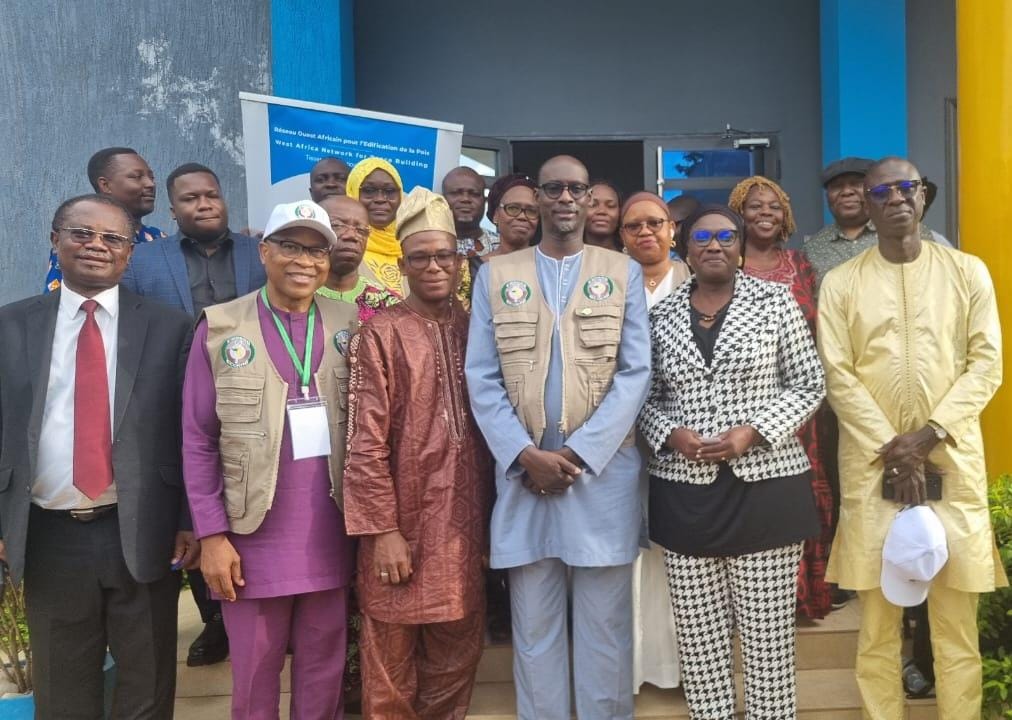
The group, known as the CSO Electoral Platform, made the appeal during a meeting with the ECOWAS Long-Term Election Observation Mission (LTEOM) in Cotonou. The platform, established in 2015, focuses on promoting electoral accountability and civic engagement across the country.
The coalition expressed concerns that constitutional reforms under outgoing President Patrice Talon have effectively narrowed the political space, resulting in what it described as the emergence of two dominant parties with similar political leanings. According to the group, this situation has led to the “de facto exclusion” of segments of the political class.
Coordinated by the West Africa Network for Peacebuilding (WANEP-Benin), the platform comprises over 1,700 trained election observers and is actively involved in voter education and election monitoring before, during, and after polls.
The CSOs described ongoing campaigns by the two presidential candidates—Romuald Wadagni of the ruling coalition and opposition candidate Paul Hounkpè—as “lacklustre,” citing minimal ideological differences between the two camps and growing voter apathy.
They also called for the repeal of laws restricting civil society operations and urged authorities to include CSOs in policymaking processes, particularly in legislative development. The coalition further advocated improved participation of women in politics, in line with Article 144 of Benin’s Electoral Law on affirmative action.
While acknowledging some progress, with 28 women currently serving in the 109-member parliament and 87 female councillors nationwide, the group noted that more needs to be done to enhance representation of women, youth, and persons with disabilities.
The platform also highlighted logistical challenges observed during the January 2026 legislative and municipal elections, including delays in opening polling units and shortages of voting materials. It said it has engaged with the National Electoral Commission (CENA) to prevent a recurrence.
Concerns were also raised about voter turnout, which the CSOs warned could be affected by the fragmentation of opposition forces, perceived lack of political alternatives, and rhetoric with ethnic undertones.
On governance and civic freedoms, the coalition criticized the absence of a Freedom of Information law and raised alarm over digital regulations that it said restrict online media and have led to the imprisonment of several operators.
Addressing security concerns, the group acknowledged terrorist threats in parts of the country but opposed any relocation of polling units in affected northern regions, insisting that such measures could disenfranchise voters.
The ECOWAS LTEOM, led by Serigne Ka, is continuing consultations with key stakeholders and will be reinforced by short-term observers ahead of election day. The mission, approved by ECOWAS Commission President Omar Alieu Touray, is headed by former Ghanaian President Nana Akufo-Addo, with technical support from the Commission’s political affairs team led by Abdel-Fatau Musah.
The CSOs emphasized that inclusive dialogue, respect for civic space, and electoral transparency remain critical to ensuring credible and peaceful elections in Benin.
CSOs Call for Inclusive Political Process Ahead of Benin Presidential Election

- Advertisement -

