

Human rights lawyer and political commentator Chidi Odinkalu has raised concerns that Nigeria’s 2027 presidential election could be heading toward a “no-contest” scenario, sparking fresh debate about the state of the country’s democracy.
In a message circulated to stakeholders, Odinkalu reportedly warned that emerging political dynamics—particularly within opposition ranks—may weaken competition and reduce the electoral process to a largely one-sided affair.
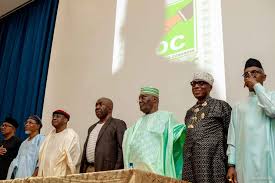
Although details of his full analysis were not immediately available, the assertion comes amid ongoing realignments across political parties and increasing discussions about coalition-building ahead of the next general elections. Recent defections and alliance talks involving key opposition figures have fueled speculation about whether a united front can effectively challenge the dominance of the ruling All Progressives Congress (APC).
Observers say Odinkalu’s projection reflects broader concerns about political balance, internal party cohesion, and the strength of democratic institutions in Nigeria. Some analysts argue that unless opposition groups can consolidate and present a credible alternative, the electoral field may tilt heavily in favour of the incumbent political structure.
Others, however, contend that ongoing coalition efforts could still reshape the political landscape, making it too early to conclude that the 2027 race will lack meaningful competition.
The warning adds to a growing chorus of voices calling for stronger democratic engagement, institutional reforms, and a more level playing field as Nigeria prepares for another pivotal electoral cycle.


