

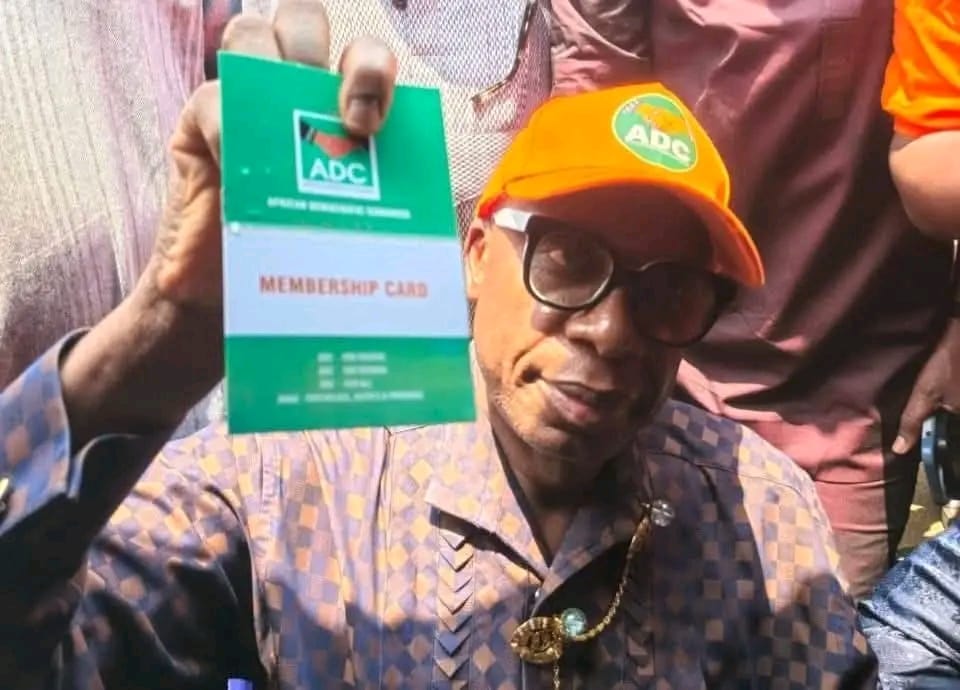
As Nigeria moves gradually toward another political cycle, the re-emergence of in the national political conversation raises a fundamental question: can a man whose tenure oversaw billions in railway loans with mixed results convincingly promise to fix Nigeria?
Amaechi served as Minister of Transportation from 2015 to 2022 under the administration of . During that period, the Federal Government embarked on an ambitious railway modernization programme largely financed through loans from China. Official disclosures indicated that Nigeria secured about $500 million for the Abuja–Kaduna railway and approximately $1.5 billion for the Lagos–Ibadan railway, bringing the direct railway loan exposure to around $2 billion. When additional rail modernization components and related infrastructure are considered, analysts estimate that Chinese-backed railway financing tied to the programme rose to about $3.3 billion.
Supporters of Amaechi often point to the revival of rail transport after decades of neglect, highlighting the operational Abuja–Kaduna and Lagos–Ibadan standard gauge rail lines as major milestones. Indeed, these projects marked the first significant expansion of Nigeria’s rail infrastructure in many years.
However, critics argue that the story is far from complete. Several proposed projects—including the ambitious Lagos–Calabar coastal railway—remained largely unfulfilled despite early announcements and strong political promotion. Questions have also persisted about the transparency of the loan agreements, the long-term financial implications for Nigeria, and whether the projects delivered value proportionate to the huge debts incurred.
Beyond the loans themselves, critics say the central concern is accountability. Billions of dollars were borrowed in the name of modernizing Nigeria’s transport system, yet the country still lacks a fully integrated national railway network capable of significantly transforming commerce and mobility across all regions.
Today, as Amaechi again positions himself as a voice capable of fixing Nigeria’s problems, many Nigerians believe the railway question cannot simply be ignored. Leadership, they argue, is measured not by promises but by the record left behind in public office.
The rail projects of the Buhari years remain part achievement and part unfinished story. But until the unanswered questions surrounding the loans, project delivery, and long-term benefits are fully addressed, the political ambition of those who supervised the programme will inevitably face intense public scrutiny.
For many observers, the question therefore remains unavoidable: if the opportunity to fix a critical sector once existed, and the outcome remains disputed, how exactly will the same leadership now promise to fix Nigeria?


