

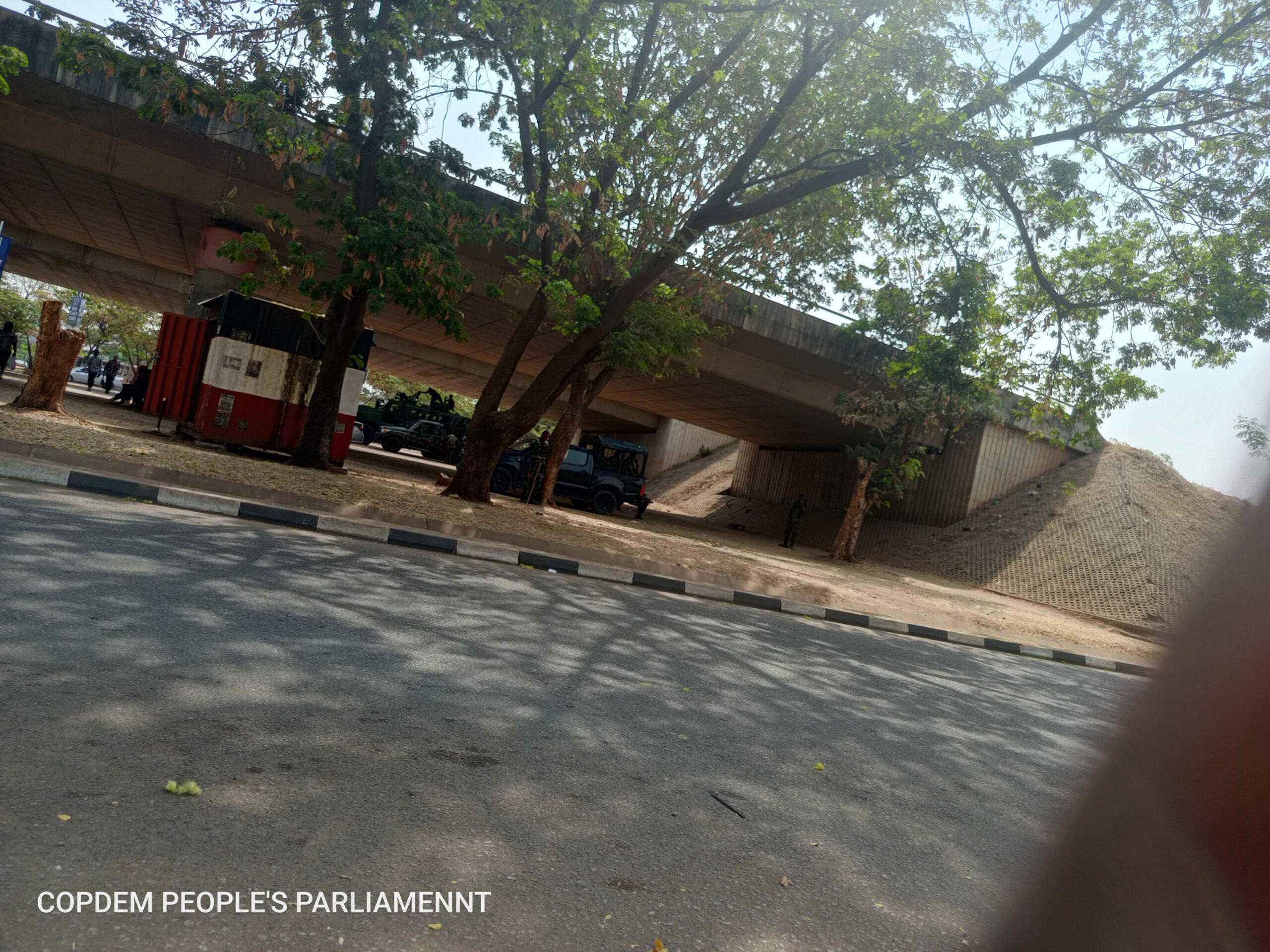
Abuja, Nigeria — As hostilities between the United States, Israel and Iran continue to intensify, security forces in Nigeria’s Federal Capital Territory (FCT) have heightened their readiness and deployed additional personnel across key districts in Abuja. The move, officials say, is a preventive security measure in response to the global geopolitical crisis and its potential local implications.
Heightened Security Presence in the Capital
Across Abuja, troops from the Guards Brigade and Army Headquarters Garrison were observed deployed at strategic locations including major roundabouts, junctions and public spaces. Complementing the military presence, the Nigeria Police Force has increased patrols and surveillance, particularly around places of worship, commercial centres and transportation hubs.
The deployment follows directives from Inspector‑General of Police Olatunji Disu, who placed all state commands and the FCT on high alert, urging enhanced intelligence‑led policing and close collaboration with community, traditional and religious leaders. Authorities have described the measures as precautionary and geared toward prevention, not in reaction to any confirmed threat on Nigerian soil.
In a statement, the Force Public Relations Officer emphasised the commitment of the Nigeria Police Force to safeguarding lives and property while maintaining calm and vigilance among citizens.
Regional Developments and Public Order Considerations
The security reinforcement comes amid reports of growing public unrest in parts of northern Nigeria, where groups supportive of Iran have staged protests following recent strikes that reportedly killed Iran’s Supreme Leader. In Kaduna, police have been deployed to discourage planned demonstrations and maintain order.
Nigerian security agencies have reiterated that there has been no specific credible threat to Abuja or other cities directly linked to the Middle East conflict, but officials are keen to prevent external tensions from sparking local unrest.
Broader Impact of the Middle East Crisis
The conflict between the United States, Israel and Iran has rapidly expanded in recent days, with airstrikes and counterattacks reported throughout the region — including strikes beyond Iranian borders and heightened readiness among global forces. This escalation has drawn international alarm and sparked a series of global alerts and advisories for citizens abroad.
In Nigeria, the widening conflict is also affecting the economy, with fuel prices in Abuja climbing to around ₦960 per litre due to surging crude oil prices. Analysts warn that this trend could have broader inflationary and economic repercussions if tensions persist.
Government Advisory and Public Messaging
The Federal Government has issued advisories urging Nigerians to exercise caution — especially those considering travel to conflict zones — and has suspended pilgrimages to Israel until the security landscape stabilises. Government spokespeople have underscored the importance of calm, restraint and lawful conduct amidst global and domestic uncertainties.
Security officials have urged residents to report suspicious activity immediately to local law enforcement and to continue going about their normal activities without panic.


