

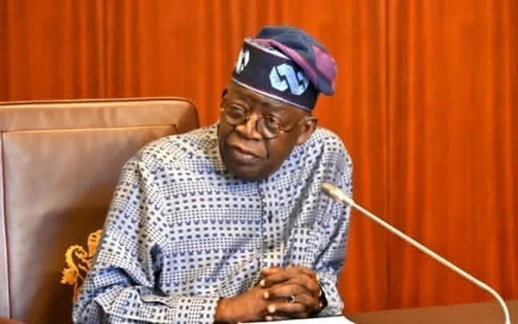
A United States-based political advisory and lobbying firm, Von Batten-Montague-York, has claimed that the US cannot afford to allow President Bola Tinubu to rig Nigeria’s 2027 general election.
The firm made the assertion in a statement published on its verified X account on Thursday, September 24, while raising concerns about governance and electoral integrity in Nigeria.
According to the firm, free and fair elections in Nigeria are important to US interests in the country and the wider West African region. It also alleged that there is growing concern across political divides about the Nigerian government and the administration of President Tinubu.
“The US cannot afford to allow President Tinubu to rig the upcoming Nigerian election,” the firm said, adding that credible elections were important to protecting American interests in Nigeria and the broader region.
Von Batten-Montague-York further made allegations concerning a serving Nigerian minister, claiming that the official had previously been identified by the US Department of Justice in connection with alleged embezzlement of public funds. The firm did not provide detailed evidence for the broader claims in the statement.
The allegations are significant because they come as Nigerian political parties and potential candidates intensify preparations for the 2027 presidential election. Any claims of electoral interference or foreign pressure could attract considerable attention given Nigeria’s role as Africa’s most populous country and a major regional power.
However, the statement represents the position and allegations of the US-based lobbying firm and should not be treated as an official declaration of US government policy. Reports on the statement said there was no immediate public response from the Nigerian Presidency or the US government.
The development follows earlier interventions by the same firm concerning Nigeria’s political environment and its stated concerns about the 2027 election. As preparations continue, questions surrounding the independence of electoral institutions, political competition and the credibility of the voting process are expected to remain central to public debate.


