

ABUJA — President Bola Ahmed Tinubu’s reported decision not to attend the 81st United Nations General Assembly in New York has triggered fresh questions, coming only weeks after his attendance had been publicly confirmed by senior Nigerian officials.
SaharaReporters reported on September 18, citing a Presidency source, that Tinubu would no longer attend the UNGA. The report comes after Nigeria’s Permanent Representative to the UN, Ambassador Jimoh Ibrahim, had announced in July that the President would attend the September gathering and deliver Nigeria’s national statement.
The reported reversal has attracted particular attention because Tinubu’s planned appearance had been presented as an important diplomatic engagement. Earlier reports said he was expected to showcase his administration’s economic reforms and participate in discussions on regional security and border policing.
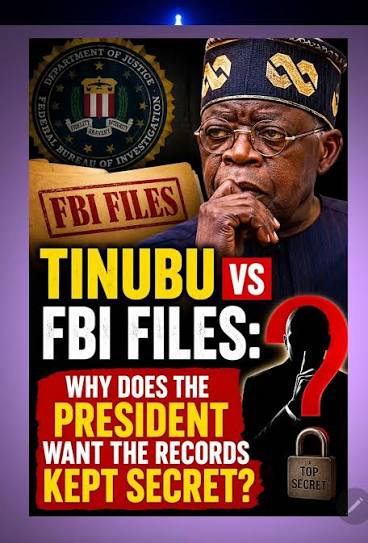
The sudden change has now become the subject of speculation in political circles, with critics linking it to the continuing controversy over records sought in the United States concerning Tinubu’s historical Chicago drug-related case.
However, there is presently no verified evidence that Tinubu cancelled his UNGA trip because he feared arrest or prosecution in the United States. No U.S. government announcement cited in the current reporting establishes that an arrest warrant or prosecution awaits the Nigerian President in connection with the Chicago records.
From Confirmed Attendance to Reported Withdrawal
The sequence of events has intensified the questions.
On July 15, Nigeria’s UN ambassador publicly stated that Tinubu had confirmed his attendance at the 81st UNGA. Multiple Nigerian media outlets subsequently reported that the President would travel to New York and address the General Assembly.
By September 14, however, BusinessDay reported that Tinubu’s attendance had become uncertain, with Vice-President Kashim Shettima potentially leading Nigeria’s delegation.
Four days later, SaharaReporters reported that a Presidency source had confirmed that Tinubu would not attend.
That progression—from a publicly confirmed presidential appearance, to uncertainty, and finally a reported withdrawal—has created an information gap over the reason for the change.
The Chicago Records Question
The controversy surrounding Tinubu’s historical Chicago records has remained politically sensitive, particularly because requests for U.S. documents concerning him have generated litigation and public debate.
Critics have repeatedly raised questions about documents connected to a 1990s U.S. investigation and forfeiture proceedings involving accounts associated with Tinubu. Supporters of the President have disputed interpretations of those records and have maintained that the controversy does not establish criminal wrongdoing by Tinubu.
It is therefore important to distinguish between the existence of historical U.S. records and litigation over access to them and the much more serious claim that the President currently faces criminal prosecution or an imminent arrest in America.
At present, the latter claim has not been established by the evidence available in the reporting reviewed for this story.
Why the Absence Is Generating Attention
The significance of the reported absence lies partly in the timing.
The President is Nigeria’s principal representative at the highest level of the United Nations system, and his appearance at the General Debate would ordinarily provide an opportunity to address world leaders on Nigeria’s economic reforms, security concerns and foreign-policy priorities.
His absence does not, by itself, establish that he is avoiding American authorities. Presidents and heads of government can change international travel plans for numerous reasons.
What remains unanswered is the official reason for the reported change of plan.
As of the latest reports reviewed, the Presidency had not publicly provided a detailed explanation for why Tinubu would no longer attend the UNGA after his attendance had previously been confirmed.
Political Storm Ahead of 2027
The development is likely to intensify political debate ahead of Nigeria’s January 2027 elections, particularly because Tinubu is seeking another term in office.
Opposition figures and critics are expected to use the development to revive questions about the President’s relationship with the United States and the unresolved public controversy surrounding his Chicago records.
The Presidency, however, would be in the best position to settle the speculation by stating clearly why the President will not travel to New York and whether the decision has any connection whatsoever with legal or diplomatic concerns in the United States.


