

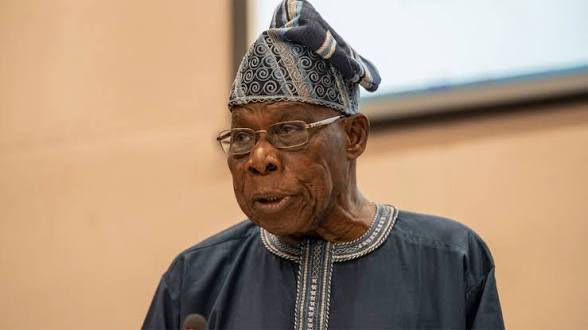
Former President Olusegun Obasanjo has said Nigeria has no justification to remain poor, arguing that the country possesses sufficient natural and human resources to achieve sustainable economic development.
Obasanjo made the remarks while speaking on Nigeria’s economic challenges and development prospects. His comments come amid renewed national debate over poverty, unemployment, rising living costs and the effectiveness of government policies.
The former president maintained that Nigeria’s persistent economic difficulties cannot be explained by a lack of resources. He has repeatedly argued that weak leadership, corruption and poor management of national resources have prevented the country from fully translating its wealth into improved living standards for citizens.
“Nigeria has no reason to be poor,” Obasanjo said, stressing the need for responsible leadership and effective management of the country’s resources.
The statement is significant as millions of Nigerians continue to face economic pressures, while policymakers seek ways to stimulate growth, reduce poverty and improve living conditions. The debate has also intensified ahead of the 2027 general elections, with economic management expected to remain a major campaign issue.
Nigeria is Africa’s most populous country and has substantial oil and gas reserves, agricultural potential and other mineral resources. However, challenges including inadequate infrastructure, insecurity, unemployment, corruption and weaknesses in public institutions have continued to constrain economic development.
Obasanjo’s comments therefore place renewed attention on the gap between Nigeria’s resource potential and the living conditions of many of its citizens. His position also reflects a long-running argument among economists and political leaders that better governance and diversification are essential for achieving sustainable prosperity.
The former president served as Nigeria’s civilian president from 1999 to 2007 after previously leading the country as a military head of state. His administration implemented several economic and institutional reforms, while his record remains subject to differing political assessments.
As Nigeria approaches another electoral cycle, Obasanjo’s remarks are likely to add to discussions about leadership, economic policy and how the country can convert its abundant resources into broad-based prosperity for its citizens.


