

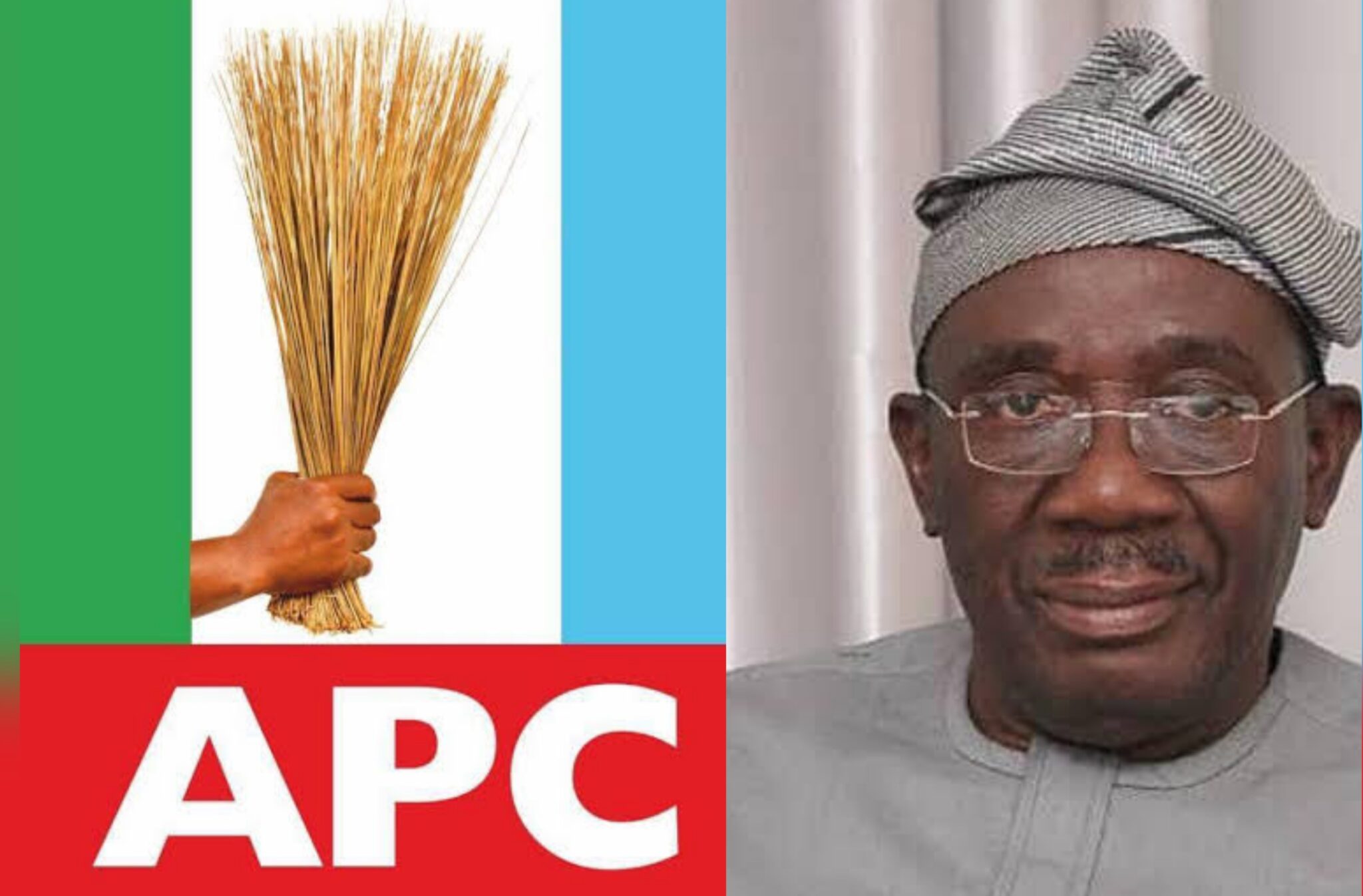
The controversy surrounding Senator Fadahunsi and the alleged incidents involving members or supporters of the Accord Party has raised serious questions that cannot simply be dismissed through public denials.
While the senator has reportedly denied allegations surrounding the incidents, the appropriate response to competing claims is not political argument but an independent investigation capable of establishing the facts.
Where video recordings exist, they should be properly examined and authenticated. Witnesses should be identified and interviewed, while any available photographs, medical reports, police records and other relevant evidence should be preserved and reviewed. The public deserves to know what actually happened.
The principle is straightforward: a denial does not automatically invalidate evidence, just as an allegation does not automatically establish guilt. What is required is due process.
If an investigation establishes that Senator Fadahunsi committed an offence, encouraged violence, assaulted anyone, threatened political opponents or otherwise violated the law, he should be prosecuted in accordance with Nigerian law. His position, political influence or membership of any political party should neither shield him from accountability nor make him guilty without proof.
The same standard must apply to everyone else involved. Any person who participated in criminal conduct should face the consequences, regardless of political affiliation.
The alleged incidents are particularly concerning because they occurred within a politically sensitive environment. Nigeria’s democracy cannot survive when political competition degenerates into intimidation, violence or the suppression of opposing voices.
Political disagreements should be settled through debate, campaigns and the ballot box—not through confrontation or force.
For that reason, the relevant security and judicial authorities should conduct a prompt, transparent and impartial investigation into the allegations. If there is credible evidence against Fadahunsi, the law should take its course. If the allegations are found to be unfounded, that conclusion should equally be made public.
What Nigerians should reject is selective justice—where political allies are protected while opponents are prosecuted, or where accusations are treated as convictions depending on who is involved.
Fadahunsi must face justice if the evidence shows that he broke the law. But justice must mean due process, credible evidence and an impartial determination—not political persecution.
Ultimately, the real test is whether Nigerian institutions can demonstrate that political power does not confer immunity from accountability.
Nobody should be above the law. Not Fadahunsi. Not his opponents. Not anyone.


