

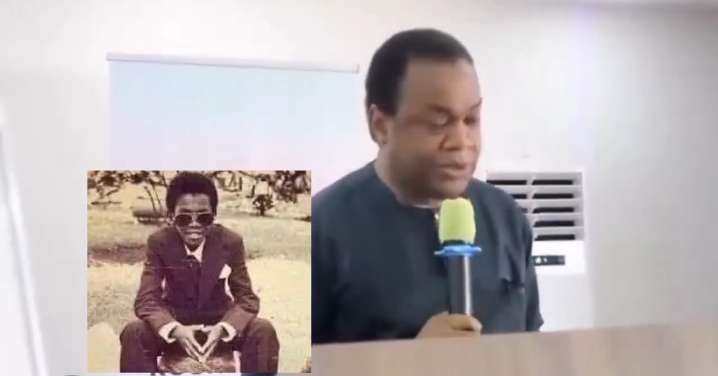
The controversy surrounding the use of former Cross River State Governor Donald Duke’s childhood photograph as an image of President Bola Tinubu has renewed public discussion about other identity-related controversies that have emerged around the President over the years.
In the Donald Duke case, the APC Presidential Campaign Council acknowledged that Duke’s childhood photograph had been mistakenly used in campaign materials portraying Tinubu’s early life. The campaign apologised, describing the incident as an “honest mistake” arising from an incorrect online image search.
More recently, another controversy erupted after a man identified as Olamide Salami Kayode, aged 52, publicly claimed to be the individual in a widely circulated National Youth Service Corps (NYSC) photograph that had been associated with President Tinubu. Kayode alleged that the photograph was his and announced his intention to seek ₦500 billion in damages, arguing that his identity had been falsely appropriated. Those allegations have attracted widespread public attention, but they remain disputed and would ultimately be for the courts to determine if litigation proceeds.
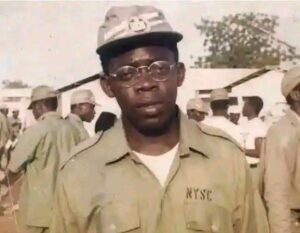
The Donald Duke and NYSC photograph controversies have fueled broader public debate over the authenticity of historical images associated with public figures. Critics argue that the incidents underscore the need for greater diligence in verifying archival materials before they are used in political campaigns or public communications.
Supporters of President Tinubu, however, have maintained that some of the controversies have been exaggerated or politically motivated, while official explanations have described the Donald Duke incident as an inadvertent error rather than deliberate misrepresentation.
Together, the episodes have become part of Nigeria’s wider political discourse on transparency, historical documentation, and the importance of authentic records in public life.


