

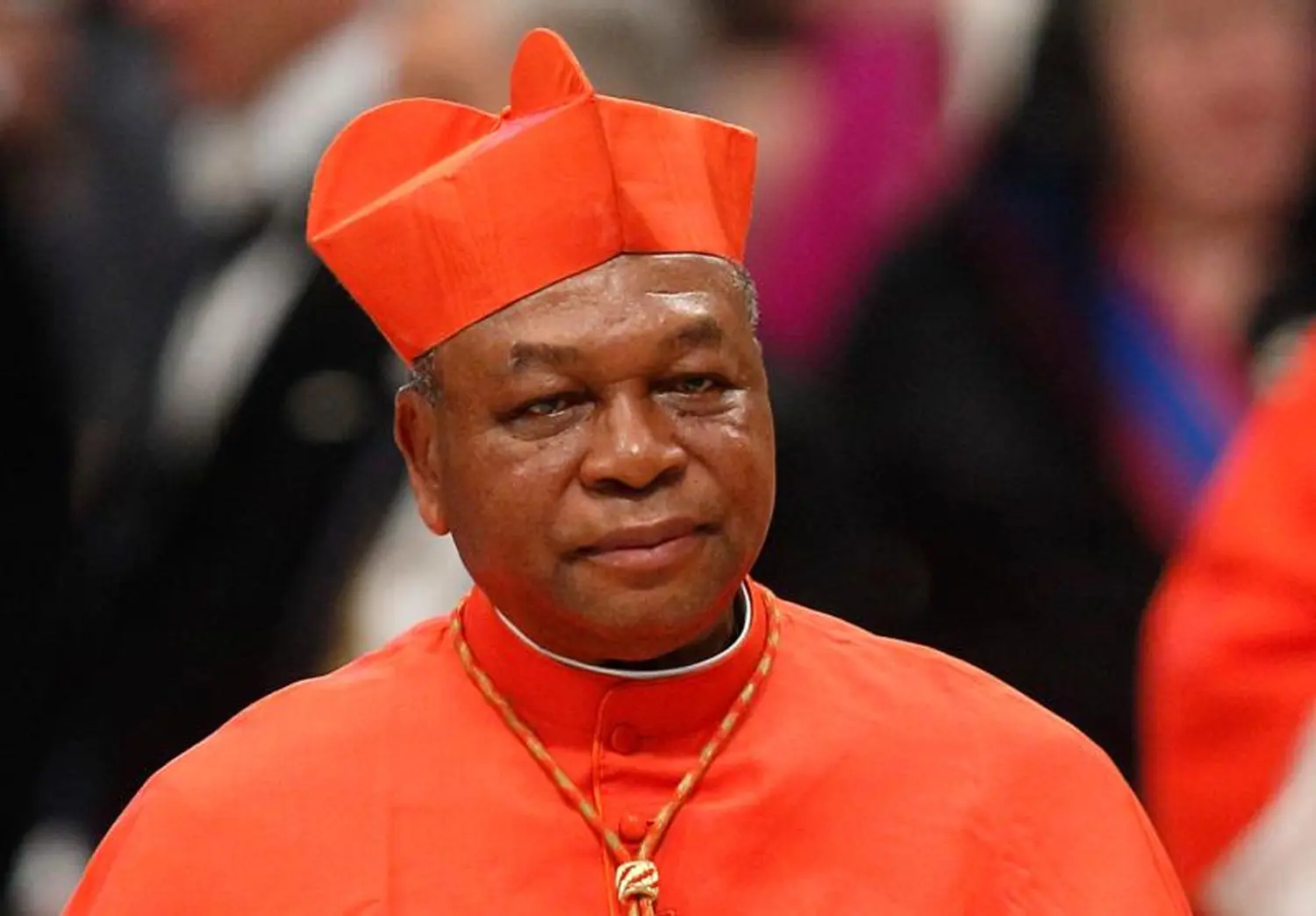
FCT Minister Nyesom Wike has responded to comments linked to Cardinal John Onaiyekan, urging religious leaders to maintain a neutral position and avoid aligning themselves with political sides in discussions concerning President Bola Tinubu’s administration.
Wike shared his views while addressing the role of religious figures in national affairs. He stated that leaders of faith communities have a responsibility to promote peace, provide moral guidance, and encourage unity among Nigerians rather than become involved in political disagreements.
The minister’s comments have sparked fresh debate about the relationship between religion and governance in Nigeria. While some Nigerians believe religious leaders should freely express opinions on national issues affecting citizens, others agree that they should remain above political divisions to preserve trust among different groups.
The issue has gained attention because religious leaders in Nigeria often play influential roles beyond places of worship. Many have historically contributed to discussions on insecurity, economic challenges, corruption, and social welfare, making their statements on national matters highly significant.
Political analysts note that balancing religious influence and political neutrality remains a complex issue in a diverse country like Nigeria. Faith leaders are often expected to advocate for justice and accountability, yet their involvement in political discussions can sometimes lead to questions about impartiality.
Wike’s reaction has added to the wider conversation about how public figures, including religious authorities, should engage with government policies and political debates. The differing opinions reflect broader questions about civic responsibility, freedom of expression, and the role of influential institutions in a democracy.
Nyesom Wike became Minister of the Federal Capital Territory in 2023 after serving as governor of Rivers State for two terms. Cardinal John Onaiyekan is one of Nigeria’s most recognised Catholic figures, having served as Archbishop of Abuja and played active roles in national dialogue, peace-building initiatives, and social advocacy. Their exchange highlights the continuing discussion about religion, governance, and public accountability in Nigeria.


