

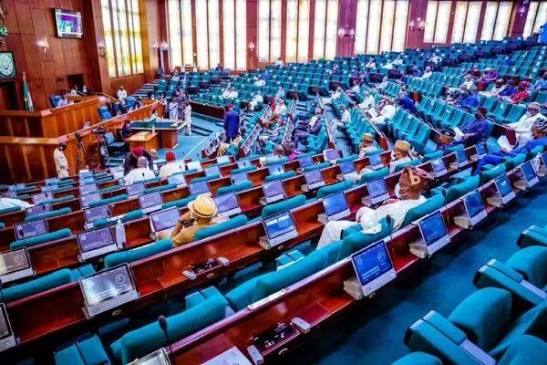
The House of Representatives has passed an Executive Bill seeking to establish a legal framework for the creation of state police in Nigeria, advancing a proposal that could significantly change the country’s approach to policing and internal security.
The development marks another major step in the longstanding campaign for the decentralisation of Nigeria’s policing system. Supporters of the proposal believe state-controlled police forces could improve security by allowing law enforcement agencies to respond more quickly to crimes and security threats within their jurisdictions.
The move comes as Nigerians continue to face security challenges, including kidnapping, banditry, terrorism and communal conflicts in various parts of the country. Advocates of state police have argued that local officers would have a better understanding of their communities and could potentially gather intelligence more effectively.
However, the proposal is also expected to attract scrutiny from stakeholders who have expressed concerns about how state police would operate. Critics have raised questions about possible political interference, funding, recruitment, training and the protection of citizens’ rights.
The passage of the Executive Bill by the House of Representatives does not mean that state police will immediately begin operating across the country. The proposal must still go through the required legislative and constitutional processes before it can become part of Nigeria’s legal framework.
The debate over state police has been ongoing for several years, with political leaders, security experts and civil society organisations offering different perspectives on the issue. Nigeria currently operates a centralised policing system through the Nigeria Police Force, which is primarily under federal control.
Those in favour of decentralisation argue that the current structure places excessive responsibility on a single national police institution and limits the ability of authorities to respond effectively to local security challenges.
The latest legislative development could therefore become a turning point in Nigeria’s security reform efforts. As the bill progresses, attention is expected to focus on how lawmakers address concerns over accountability, operational independence and safeguards against abuse.


