

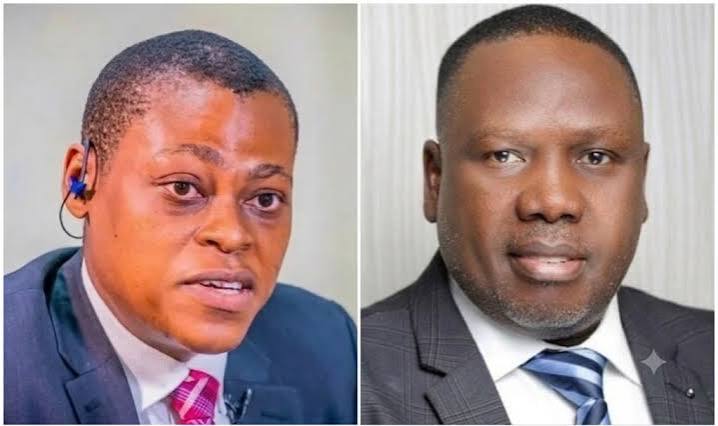
Media personality Rufai Oseni has reportedly responded to comments by presidential aide Daniel Bwala, insisting that he will continue to hold the government and its representatives accountable on issues affecting Nigerians.
Rufai’s remarks came amid an ongoing exchange of views between the broadcaster and Bwala, who has been vocal in defending the administration of President Bola Ahmed Tinubu and responding to criticisms from opposition figures and government critics.
In his response, Rufai reportedly said, “I’ll always hold you accountable,” reaffirming his position that public officials and political appointees should be subjected to scrutiny over their actions and statements.
The statement is significant because accountability and transparency remain major issues in Nigeria’s political discourse. Journalists, civil society groups and opposition figures have continued to demand explanations from government officials on policies, public spending and decisions that affect citizens.
Rufai is known for his outspoken commentary on political and social issues, while Bwala has emerged as a prominent voice supporting the Tinubu administration. Their differing positions have contributed to wider public debates about governance, economic reforms and the responsibilities of those in public office.
The exchange also highlights the increasingly active role of social media and broadcast platforms in shaping political discussions in Nigeria. Public figures frequently use these platforms to challenge opposing views and engage directly with citizens.
Supporters of Rufai’s position may argue that consistent scrutiny is necessary to ensure accountability, while Bwala’s supporters may maintain that government officials should be allowed to explain and defend their policies against criticism.
Nigeria has experienced significant political debate since Tinubu assumed office in May 2023, particularly following major economic reforms such as the removal of the petrol subsidy and changes to foreign exchange management. The policies have attracted both praise and criticism as the government seeks to address economic challenges.
As political discussions intensify ahead of the 2027 general elections, exchanges between government representatives, journalists and opposition voices are expected to become more frequent.
Rufai’s latest statement therefore underscores the continuing debate over accountability and responsible governance in Nigeria. While political disagreements remain inevitable in a democracy, the exchange also highlights the importance of constructive scrutiny and informed public debate in holding leaders and public officials accountable.


